"سلامتی ثروت است" - یک داستان اخلاقی کوتاه برای کودکان
Once upon a time, there was a king, who was very lazy. He did not like to do anything. He waited for his attendants to serve him every moment. He used to lie on his bed always. A time came when he really became inactive.
Only eating good food and it’s sleeping made him fatty. So fat he became that he could not move around by himself. He felt sick, doctors were called in to treat him. Nothing could help him to become fit and fine. The king was a kind hearted and cordial person. All his subjects were sorry to learn about the fact that their king was not well.
One day the minister met a holy man (Sadhu) on the outskirts of the city. While conversing with each other, the “Sadhu” came to know the fact that the king was unwell. He told the minister that he could cure the king. Hearing this the minister’s face brightened. He arranged immediately for a meeting of the “Sadhu” and the king.
The “Sadhu” saw the depressed king for a while and then spoke nothing serious had happened and that the king would be alright. From the next day the treatment would start. He asked the king to come to his hut which was at a distance from the palace.
The king had to come on foot to the hut. The king agreed, after so many years the king came outside to walk on the road. His ministers and attendants accompanied him. By the time he reached the Sadhu’s hut, he was breathless, sweating and uncomfortable.
The “Sadhu” came out of the hot noticing everything. He offered cool water to the king. The king felt better. The Sadhu brought out an iron ball, the size of a football and gave it to the attendants asking his majesty that daily morning and evening he had to roll that ball in the palace grounds.
The king okayed to the “Sadhu” and left. After fifteen days when the “Sadhu” came to the palace to meet the king, he had lost a considerable amount of weight, was feeling much better and was active. All his sickness had disappeared. Inspite a lot of wealth, the king was not happy as he was unhealthy.
So the moral is “Health is Wealth”.
By
Sailabala Rath
Email: sailarath-at-gmail.com
"سلامتی ثروت است" - یک داستان اخلاقی کوتاه برای کودکان
روزی روزگاری پادشاهی بود که بسیار تنبل بود. دوست نداشت کاری بکند. هر لحظه منتظر بود تا خادمینش به او خدمت کنند. همیشه روی تختش دراز می کشید. زمانی فرا رسید که او واقعاً غیرفعال شد.
فقط خوردن غذای خوب و خوابیدن او را چاق کرد. آنقدر چاق شد که نمی توانست به تنهایی حرکت کند. او احساس بیماری کرد، پزشکان برای درمان او فراخوانده شدند. هیچ چیز نمی توانست به او کمک کند تا تناسب اندام و خوب شود. شاه فردی مهربان و صمیمی بود. همه رعایای او از اینکه متوجه شدند حال پادشاهشان خوب نیست متاسف شدند.
روزی وزیر در حومه شهر با مرد مقدسی (سدو) ملاقات کرد. «سَدُو» در حین گفتگو با یکدیگر به این واقعیت پی بردند که پادشاه حالش خوب نیست. او به وزیر گفت که می توانم شاه را درمان کنم. با شنیدن این حرف، چهره وزیر درخشید. او فوراً ترتیب ملاقات «سدو» و پادشاه را داد.
"سادو" مدتی پادشاه افسرده را دید و سپس گفت که هیچ اتفاق جدی نیفتاده است و پادشاه خوب خواهد شد. از روز بعد درمان شروع می شد. از شاه خواست که به کلبه اش که در فاصله ای از قصر بود بیاید.
شاه باید پیاده به کلبه می آمد. پادشاه موافقت کرد، پس از سالها پادشاه آمد بیرون تا در جاده راه برود. وزیران و خادمان او را همراهی می کردند. زمانی که به کلبه سادو رسید، نفسش تنگ شده بود، عرق کرده بود و ناراحت بود.
"Sadhu" از داغ بیرون آمد و متوجه همه چیز شد. به شاه آب خنک تعارف کرد. پادشاه احساس بهتری داشت. سادو یک توپ آهنی به اندازه یک توپ فوتبال بیرون آورد و به خادمان داد و از اعلیحضرت خواستند که هر روز صبح و عصر باید آن توپ را در محوطه قصر بغلتد.
پادشاه با "سدو" موافقت کرد و رفت. پس از پانزده روز که «سدو» برای ملاقات با شاه به قصر آمد، وزن قابل توجهی از دست داده بود، حالش خیلی بهتر شده بود و فعال بود. تمام بیماری او ناپدید شده بود. با وجود ثروت فراوان، پادشاه خوشحال نبود زیرا ناسالم بود.
پس نکته اخلاقی داستان این است که "سلامتی ثروت است".
No matter where you are, if you have something you need to get done , the best place to begin is with identifying what distracts you the most. It sounds silly, but my poodle “Louie” is a very distracting little guy. When I have a big project, I make sure that he is comfortably closed up in my room with his food and water and that he stays there until I am done or ready for a break. I get so much more done when he is not hovering around, needing attention. Before you focus on the task at hand, figure out what little things distract you, and get them out of the picture. This could be anything from a pet to an electronic device (see #5).
2. Clean Up & Organize Your Space
What a great excuse to do a little cleaning! I mean, seriously, how much better does it feel to walk into a clean room; free of a coffee mug from yesterday and the dirty frying pan in the sink (My office is next to my kitchen at home)? Whether it be right when you wake up, or right before you go to bed each night, make time for keeping your space clean. It just feels SO much better to work in, and is accompanied by peace of mind.
Now, if you have a workspace with a great big pile of scattered paperwork, there is a trick I like to use for organizing papers and other items that are within arm’s length on my desk:
Start with papers and make ONE stack, then clear ALL clutter except for a pen, a notebook, post-its or index cards for quick tasks, and whatever I am drinking (probably coffee & a water bottle).
Then take the stack and divide it into 3 piles:
Stack 1: Take Action (Pay, Call back, or Complete)
Stack 2: File Away
Stack 3: Trash
Attack the things you need to take action on within an hour, then file/mail the completed task paperwork. Throw away the trash asap, and File last. I like to file my “File Away” stack of papers ONCE a week. There is nothing more annoying than having bills everywhere that are from 2 months ago. If you don’t file your paperwork, then shred it and rid it from your space. It is amazing how much paper can catch your eye and distract you from what you are trying to accomplish.
3. Work Out When You Wake Up
Working out is great for the body, the spirit, and the MIND. Working out within a scheduled morning timeframe is such a great start to the day, and will actually provide energy for your mind to produce its greatest works. It was really difficult for me to make this a habit. But now that it is, I cannot explain the difference it has made. On the days that I take off, I fill in the morning space with laundry.
4. Music
Music can be a great way to get into what you are doing! Some people need silence, but for others, there is great rhythmic potential out there that is perfectly aligned with your mind’s resonance frequency. Some playlists I like to listen to include: Philip Glass, Classical, Yoga tunes, Native American Music, & other instrumental soundtracks from epic movies like “Last of the Mohicans.” I believe there is inspiration in music, but there are times when earplugs work best for the moment, depending on the project.
5. Get Off your Phone, Skype, Twitter & Facebook!
If you are using these media tools as a key component to your business, then of course don’t eliminate them…but seriously, how many times do you need to check your Facebook or Lindsay Lohan’s Twitter updates? I am very wrapped up in social media, so I know how much of my time gets sucked into the black hole of my virtual social life! Once I set specific times for breaks, I found that I started getting things done quickly and efficiently in my business. I am talking a NOTICEABLE difference. I set rules for my computer use to only have the relevant tabs open and to only use my phone when it pertains to the project. I don’t turn my phone off or anything dramatic, I just text my friends that I will call them at a later time and make post it notes for actually doing it.
Social Media is great, but if you are working on getting something done so you can have more time for it, I really like to treat it as if I had a boss standing over my shoulder monitoring what I was doing. Would a boss think that updating your Facebook with baseball scores was a good use of company time? If you answered “No”, then do yourself the favor of acting accordingly.
6. Set Up Email Auto-Response
Unless you are using your email for what you are doing, I find that Timothy Feris’s book The 4 Hour Work Week had a great point. He wrote about the distraction of email. He was referring to his clients, but I picked up a great tip from this book (amongst many others) that I use specifically for eliminating the distraction of correspondence: Check Email Twice a Day, and set up an auto reply that explains and defines the times that you have chosen. Then ONLY check and reply to email during those designated times. That way you cannot be distracted 100 times throughout the day. If your job calls for constantly checking email, then this may not work for you. If you are constantly distracted and bothered by email, setting this up can be a great benefit to you.
7. Clear Your Day
Try to do all of your shopping and socializing during the weekends, or during windows that you have planned ahead of time. If you do your shopping for the week on Sundays, it will really support you in not having to leave the house to get food. I use Costco to stock up on breakfast lunch and dinner for at least a week for my husband and I. Not only does it save me an excuse of leaving the house, but it saves a ton of money. Get all of your “chores” and routine things, such as the gym and laundry, done during the early morning.
8. Organize Your Computer Files
My husband really used to get on my case about my messy desktop files. I cannot tell you how much better my life has been since I have cleaned up my files, deleted old crap from my computer, and labeled my photos & documents properly. This can be a very hefty project, taking up a couple days, maybe weeks. But if you have the time to do it, I highly suggest it. I also have been using Google Docs as well as DropBox for storing and sharing files with clients and co-workers. It allows me to access my files without being at my computer, which has been very helpful on multiple occasions.
9. Schedule Meal & Coffee Breaks
…and stick to them! Food can really be a burden, if you don’t have all of my groceries for the week purchased I definitely recommend determining a plan of action with a start and end time for meal breaks. It is very easy to go out to eat and end up getting distracted with other things while you are out of the house. Focus on the task and stick to your breaks like you would obey the bell in grade school.
Coffee & Tea are a great way to stimulate the mind and get the body moving. “Legal drugs for the mind” is what I like to refer to caffeine as. If you aren’t into it, there is always an apple to get you going! I’ve heard that an apple wakes you up more than a cup of coffee. That’s just what I’ve heard, I’m no doctor, but it seems like an experiment worth trying, no?
10. Good Attitude = Good to go!
You are strong, committed, and able! A good attitude can get you through a multitude of challenges in life. Setting up a productive environment may now seem like a near impossible task, but I promise that creating these good habits, are just as easy as creating bad ones- it is just a matter of a little self discipline.
I wrote this article as a testimony to the transformation a custom work environment can make. I committed to disciplining myself, in order to produce more business and get more done each day. Everything is possible with the right attitude
Home boy & Home girl...... بچه محل Are U happy or married .......... ؟ مجردي یا متاهل I must talk so myself.... تعریف از خود نباشه I wasn`t born yesterday....... موهامو توآسیاب سفید نکردم She doesn`t lift a finger.......... دست به سیاه و سفید نمیزنه Whenever he opens he`s mouth he puts he`s feet in it....... اومد حرف بزنه راه رفت how much bread have u got..........؟ مایه تیله چقد داري error is human........ انسان جایز الخطاس i will put you in your place......... حالتو میگیرم No offence........ دور از جون........و بعضی مواقع به معنی جسارت نباشه You can’t eat your cake and have it........... هم خدا رو میخواد هم خرما what a stupid thing i did........ عجب غلطی کردم Cause my finger...... وقتی چیزي رو به سمت کسی پرتاب میکنیم براي عذر خواهی این اصطلاح رو میگیم he is so behind.......... طرف شوته her bark is worse than her bite.......... زبونش مثل نیش مار میمونه Variety is the spice of life.......... تنوع چاشنی زندگیه it's beyond his mind............ عقلش قد نمیده Great boast little toast....... پزعالی جیب خالی i am as i am............. همینم که هستم double whamming........... قوز بالا قوز Rock the boat...... سنگ جلوي پاي کسی انداختن He has a big mouth....... ادم دهن لق Are u with me........؟... داري منو Don`t look the other way.......... خودتو به کوچه علی چپ نزن Poor fellow......... بنده خدا He is post master at .............. طرف خداي فلان کار است Cut my legs and call me shorty........ تو گفتی و منم باور کردم She`s a liar liar........ روده راست تو شکمش پیدا نمیشه یه ta ta for now ......... ( خداحافظ (فعلا night night boy....... سوسول Chicken out...... این اصطلاح براي فردي استفاده میشه که جا میزنه تو کارا to make two ends meat.( بیشتر براي جواب دادن در مورد شغل استفاده میشود (به معنی بخور و نمیر First learn the rules then break some.... اول قانون رو یاد بگیر بعد اونو زیر پا بزار He has money to burn...... اصطلاح براي ادم خرپول He is loaded with money He is made of money He is rolling in it He is well off He was born with a silver spoon in his mouth the weather has changed..... شرایط عوض شده She was born on the wrong side of the bed........ حرام زاده push arround the bush........ طفره رفتن He`s all thumb...... آدم شلخته talk of devils........... حلال زاده است rool the red carpet for somebody.......... جلوي کسی گاو کشتن...احترام خیلی زیاد to flatter.... پاچه خواري to kissup somebody..... پاچه خواري apple polisher..... پاچه خوار give someone lip service....... شیر کردن کسی با حرف chicken chicken..... چقدر ترسو chicken feed.... پول خرد...ناچیز chicken scrach.... خرچنگ قورباغه bread line...... خط فقر copy cat....... کسی که زود هر چیز را تقلید میکند back breaking job...... شغل سخت و کمر شکن has the penny dropped........؟ دوزاریت افتاد
The teacher walked into the classroom. He said, "Good evening, everybody." The students said, "Good evening, teacher." He walked over to his desk. He put his briefcase on his desk. He opened his briefcase. He took his notebook out of his briefcase. He took his books out of his briefcase. Suddenly, he felt dizzy. The room was spinning. He sat down. What was wrong with him? He put his hands on the desk. The desk was spinning. He closed his eyes. He opened his eyes. He didn't know what to do. What was wrong? He was sitting in his chair. But he felt like he was floating in air. How could he be floating in air? He sat in his chair for another minute. His students were talking to one another. Theydid not know how he felt. But he didn't tell them how he felt. He didn't say anything
The teacher walked into the classroom. He said, “ evening, everybody.” The students said, “Good evening, teacher.” walked over to his desk. He put his on his desk. He opened his briefcase. He his notebook out of his briefcase. He took books out of his briefcase. Suddenly, he felt . The room was spinning. He sat down. What wrong with him? He put his hands on desk. The desk was spinning. He closed his . He opened his eyes. He didn’t know what do. What was wrong? He was sitting in chair. But he felt like he was floating air. How could he be floating in air? sat in his chair for another minute. His were talking to one another. They did not how he felt. But he didn’t tell them he felt. He didn’t say anything
Abduction- of person
آدم ربايی
Unnecessary Suffering
آسيب غيرضروری
Apartheid
آپارتايد
Civil liberties
آزادی های مدنی
Freedom
آزادی
Fundamental Freedoms
آزادی های بنيادی
Liberalism
آزاديخواهی
Liberty
آزادی
Riot
آشوب
Respect for human rights
احترام به حقوق بشر
Servitude
اطاعت اجباری
Signatory
امضاء کننده
Signatory/Signature Ad Referendum
امضای قابل تجديد نظر
Signature
امضاء
Sovereign Equality
اصل تساوی حاکميت
Standing
ارائه شکايت
Summary Execution
اعدام غير قانونی
Transformation of norms
انتقال نورمها
Vienna Declaration and program of Action
اعلاميه و برنامه عملی ويانا
Complementarity of Judicial Systems/Jurisdiction
اصل متمميت سيستمها/ صلاحيتهای قضايی
Affirmative Obligation
التزام مثبت
Basic Principles
اصول بنيادی
Capital punishment
اشد مجازات
Civilian Objects
اشياء غير نظامی
Colonialism
استعمار
Communitarian
اصالت جامعه
Conscientious Objection To Military/Civil Obligation
اعتراض وجدان به تعهدات نظامی/ملکی
Consensus
اتفاق رای، اجماع
Cultural imperialism
امپرياليزم فرهنگی
Demarche
اقدام ديپلماتيک، اقدام سیاسی
Denunciation of Treaty or Complaint
نقض معاهده، الغای معاهده
Deportation
اخراج از کشور،تبعيد، نفى بلد، اخراج، جلاى وطن
Depository Clause of Treaty
امانت دار بند معاهده
Development Process / Right to
انکشاف روند/حق به
Drittwirkung Effect of Normative Obligation
اثر يا تاثير طرف ثالث تاثير وظيفه معياری
Duress
اکراه
Ensure Respect For Human Rights
اطمينان حاصل نمودن از احترام به حقوق بشر
Expel/Expulsion of Alien from state
اخراج اجباری بيگانه گان از کشور
Extradition of criminal suspect
استرداد مظنون جنايی
Free and Fair Election
انتخابات آزاد و عادلانه
Full Powers
اختيارت تام
General Principles of Law source of Norms
اصول عمومی حقوق منبع معياری
Horizontal Effect/Horizontality Effect of Normative Obligation
اثرافقی تاثيرتعهد معياری
Hors De Combat Combatant
ازتوان افتادهجنگجو
Imperialism
امپرياليزم
Imprescriptability Criminal Offense
اصل غير محدود به مرور زمان تخطی جنايي
Incorporation of International Norms
الحاق نورمهای بين المللی
Individualism
اصالت فرد
League of Nations
اتحاد ملتها
Linguistic Minority/Group
اقليت زبانی/گروه
Merits of a Case/Complaint
استحقاق- يک قضيه /شکايت
Minority Group of People
اقليت - گروهی از مردم
National Security Limitation
امنيت ملی- محدوديت
Nondiscrimination Principle
اصل عدم تبعيض
Non Refoulement Principle
اصل عدم اخراج
NULLUM CRIMEN, NULLA POENA SINE Principle
اصل قانونيت مجازات
Objection To Reservation To Treaty
اعتراض
persecution
اذيت
Persons in the Power of Enemy
افراد تحت اختيار دشمن
Political Will of States
اراده سياسی دولتها
Presumption of Innocence Principle of Criminal Law
اصل بری الذمه - قانون جزايی
Principle of Law
اصل قانون
Pro Homine Principle of Application and Interpretation
اصل تفسير و تطبيق قانون
Protected Persons
اشخاص محفوظ
Public Safety Limitation
امن عامه
Prisoner of War
اسير جنگی
Civilians
اهالی غير نظامی
Extrajudicial Execution
اعدام ماورای قضائی، اعدام بدون حکم محکمه
Declaration
اعلاميه
Bilateral Principle
اصل دو جانبه
Anarchy
انارشی
Sui Generis
بی نظير
Ratione Conditions Principle
به نسبت شرايط
Ratione Loci Territorial Jurisdiction
به دليل موقعيت
Ratione Material Subject Matter Jurisdiction
به دليل مادی
Ratione Person Personal Jurisdiction
به دليل شخص
Ratione Standi Standing
به دليل اعتبار
Ratione Temporis Temporal Jurisdiction
به دليل زمان
Recognition Of State/Government
به رسميت شناختن دولت/حکومت
Slavery
بردگی
Tolerance
بردباری/ تحمل پذيری
Treaty Based
به اساس پيمان
Bona Fide
با حسن نيت
Expressis verbis
به طور واضح وآشکار قيد لاتينی
Internationalized Armed Conflict
برخورد مسلحانه بين المللی
Interrelatedness
به همديگر وابسته بودن
Humanitarian
بشردوستانه
IN TOTO
به طورکامل
Manifestly ILL- Founded Complaint
بطور آشکار دارای شکايت بی اساس
Mixed Armed Conflict
برخورد مسلحانه مختلط
Neutrality
بی طرفی
On Site Investigation/Fact Finding
بررسی /حقيقت يابی درسانحه
Opinio Juris
باورداشتن به قانون / اجماع حقوقدانان
Ex Officio
به خاطر وظيفه
Primacyof judicial Jurisdiction
برتری
Search
بررسی و تفتيش تلاشی
Internally displaced persons
بيجا شدگان داخلی
Illiteracy
بيسوادی
Unemployment
بيکاری
Child Exploitation
بهره کشی يا سوء استفاده از اطفال
Adhesion, Adherence
پيوستن
Stare Decisis
پيروی از رويه قضايی
Treaty
پيمان
Adoption of Treaty Text
پذيرش نص پيمان
Aut Dedere Aut Judicare Principle
پيگرد نمودن/ تحويل دادن اصل
DE Facto refugee
پناهنده عملی
Ex gratia payment
پرداخت ارفاقی
General Treaty
پيمان عمومی
Law making Treaty
پيمان، معاهده قانون گذاری
Linkage to human rights
پيوند با حقوق بشر
Model Treaty
پيمان الگويی
Multilateral Treaty
پيمان چند جانبه
Optional Protocol
پروتوکول اختياری
Political Asylum
پناهندگی سياسی
Protocol To Treaty
پروتوکول پيمان
Asylum Seeker
پناهجو
Refugee Sur Place
پناهنده در محل يا پناهنده مکان
Refugee
پناهنده
Non Conventional Refugee
پناهنده غير متعارف درمقابل پناهنده پيمانی
Derogation of human rights clause
تعليق شرط حقوق بشر
Authentication
تصديق
Preventative Detention
توقيف احتياطی
Racial Discrimination
تبعيض نژادی
Ratification Treaty, Instrument of
تصويب معاهده، سند
Rationalization of Human Rights Systems
توجيه سيستمهای حقوق بشر
Reprisal
تلافی/ معامله بالمثل
Retaliation
تلافی جويانه
Sanctions
تعزيرات
Secure Human Rights Obligations
تضمين کردن وظايف حقوق بشر
Standard Setting
تعيين معيار
Strict interpretation/Construction of law
ترميم يا تفسير صريح قانونی
Territorial Integrity
تماميت ارضی
Violation
تخطی /نقض
Belligerence, Belligerency
تجاوز/ محاربه
Decision of a Commission/Committee
تصميم يک کميسيون/ کميته
Demonize/Demonization people/group
تحريک کردن مردم / گروه به تنفر از ديگران
Codification
تدوين قوانين
DiscriminationPrinciple
تبعيض /فرق گذاری
Diversity
تنوع
Ethnic cleansing
تصفيه نژادی
Exhaustion of Domestic Remedies
توسل به تمام مراجع دادخواهی داخلی
Gross Violation of Human Rights
تخطی فاحش حقوق بشری
Erga Omnes Obligations
تعهدات وظايف
Implementation of Human Rights Norms
تطبيق نورمهای حقوق بشر
in loco
در محل معين يا صحيح، به جاي، در مقام
in loco parentis
در مقام ولي يا قيم
finding/Visit Investigation/Fact
تفتيش/ بررسی - به منظور حقيقت يابی
Interim Measures
تدابيرموقتی
Interpretation
تفسير
Judicial Review
تجديد نظر قضايی
Jus
حقوق، حق، نظام حقوقي، مجموعه قوانين، حقوق، حق، انصاف، قاعده، قدرت، اختيار، شغل وکالت، دادگاه
Jus Sanguinis Principle of Citizenship
تابعيت به اساس خون تابعيت به تبع تابعيت ابوين
Jus Soli Principle of Citizenship
تابعيت به اساس خاک
Justiciable
تحت محاکمه /قابل دادرسی
Extra territorial Effect of a law
تاثير يک قانون - در قلمرو خارجی
Extraterritorial Application of Norm
تطبيق فرامرزی نورم
Legislative History
تاريخچه قانونگذاری
Limitation
تحديد
Material Application/Scope
تطبيق/ مفاد ماده
Memorandum Of Understanding MoU
تفاهم نامه
Mitigation of Criminal Sentence
تخفيف حکم جزائی
Mutatis Mutandis
تغييرات لازم را انجام دادن
Mutuality of Consent/Obligation
تقابل رضايت /وظيفه
National
تبعه/ ملی
Nationality
تابعيت
Negative Obligation
تعهد منفی در مقابل تعهد اثباتی
Pacta sunt servanda
تداوم رعايت توافق، تعهد الزام آور است
Positive Obligation
تعهد مثبت
Prescribed by law
تجويزشده توسط قانون
Progressive Realization
تحقق متداوم
Proportionality
تناسب
Nationality
تابعيت
Racial Discrimination
تبعيض نژادی
Detention
توقيف
DESISTEMENT
توقف پيگرد
Pretrial Detention
توقيف قبل ازمحاکمه
Administrative Detention
توقيف اداری يا ماموری توقيف احتياطی
Civil War
جنگ داخلی
Core Crime
جرايم عمده
Redress
جبران خسارت
Third World
جهان سوم
Compensation
جبران
Universality of Human Rights
جهانی بودن حقوق بشر
War
جنگ
Domestic Remedy
جبران داخلی
Effective Remedy
جبران موثر
JUS COGENS Norm
جوس کوگنس، اصول و ضوابط لازم الرعايه حقوق بين الملل
Gender
جنسيت
Guerrilla War
جنگ گوريلايی، جنگ پارتیزانی
Hate Crime
جرم نفرت
International Crimes
جرائم بين المللی
DESIDERATA
چيزهای مطلوب/ واژه لاتينی
Absolute Human Right
حق بشری مطلق
Safeguards
حراست / حفاظت
Sectorial Human Rights
حقوق بشر سکتوری
Social Human Rights
حقوق بشر اجتماعی
Solidarity Rights
حقوق همبستگی
Standard Minimum Rules UN
حداقل قواعد معياری- ملل متحد
State of Siege
حالت محاصره
Subsistence Human rights
امرار معاش - حقوق بشر
Tyranny/Tyrant
حکومت استبدادی
Women Human Rights
حقوق بشری زنان
Animus Belligerence
حالت مخاصمه
Attack
حمله
Basic Human Rights
حقوق بنيادی بشر
Bearer
حامل، دارنده
Children Right
حقوق اطفال
Civil Human Right
حقوق بشر مدنی
Classical Rights
حقوق کلاسيک
Civil Right
حق مدنی
CollectivehumanRights
حقوق بشر دسته جمعی درمقابل حقوق بشر فردی
Core human rights
حقوق بشر عمده
Cultural humanRight
حقوق بشر فرهنگی
Declaratory Human Rights
حقوق بشری اعلانی
DE JURE
حقوقی در مقابل عملی
Derogable Human Rights
حقوق بشرقابل تعليق
Domestic law Vs. international law
حقوق داخلی/ ملی در مقابل حقوق بين الملل
Economic human Rights
حقوق اقتصادی بشری
EXTRA TERRETORIAL JURISDICTION
حوزه قضاوت فرامرزی
Friendly Settlement
حل و فصل دوستانه
Group Human Rights
حقوق بشر گروهی
Hard Lawvs. Soft law
حقوق سخت وصريح در مقابل حقوق نرم و مبهم
Holderof Human Rights
حامل، دارنده - حقوق بشر
Human Right
حقوق بشر
Immediate Human RightsVS. Progressive Human Rights
حقوق بشر فوریدر مقابل حقوق بشر تدريجی
Imprisonment of person
حبس يا زندانی کردن
Inalienable Rights
حقوق غير قابل انتقال
Indiscriminate Attack/Force
حمله /اعمال فشار يکسره
Individual RightsVs. Group Rights
حقوق فردی در مقابل حقوق گروهی
International Law
حقوق بين المللی
Integrity Right
حق تماميت يا کمال
JUS ADD BELLUM
حق دفاع
JUS DISPOSITIVUM
حق قابل تغيير
Jus in bello
حق در جنگ
Jus Naturale
حقوق فطری، حقوق طبیعی
Labor Rights
حقوق کارگر
Legal Rights
حقوق قانونی
Locus Standi
حق حضور در محکمه، حق حضور در دادگاه يا مجلس
Martial Law
حکومت نظامی
Minimum
حداقل
Democratic governance
حکومت دمکراتيک
Minority Rights
حقوق اقليت
Moral Rights
حقوق معنوی
National Liberation Movement
حرکت آزادی خواهی ملی
Nation State
حکومت، دولت متشکل ازيک ملت
Negative Rights
حقوق نفی
Nonderogable Rights
حقوق تعليق ناپذير
Participatory Human Rights
حقوق بشر مشارکتی
People Rights
حقوق مردم
Police State
حکومت، دولت پليسی
Political Human Rights
حقوق بشر سياسی
Positive Rights
حقوق مثبت
Procedural Right
حقوق شکلی
Programmatic Rights
حقوق برنامه ای
Progressive Human Rights
حقوق بشر متداوم
Proprio Motu
حرکت فی نفسه
Public Emergency
حالت اضطراری عمومی
Public International Law
جقوق بين الملل عمومی
Incommunicado detention
حبس بدون ارتباط
Children Protection
حمايت اطفال
The Right to Life
حق زندگی
Accountability/Accountable
حسابدهی /پاسخگو
Rights
حقوق
Minority Rights
حقوق اقليت ها
Women Human Rights
حقوق بشری زنان
General International Law
حقوق عمومی بين المللی
Collective Rights
حقوق دستجمعی
Territorial Sovereignty
حاکميت ارضی
Advisory Services
خدمات مشورتی
Collateral damage
خسارات مادی جنگ
Damages
خسارات
Ultra Vires
خارج از حدود اختيارات قانونی
Violence Against women
خشونت عليه زنان
Involuntary Servitude
خدمت غير داوطلبانه
Moral Damage
خسارت معنوی
Extralegal
خارج از دايره قانونی
Autonomy
خود مختاری
Accession/Accede
دسترسی
Ratio Decidendi
دليل تصميم گيری
Ratio Legis
دليل برای قانون، دليل وضع قانون يا قاعده
Seize of Complaint
درک و پذيرش شکايت
Self Defense
دفاع مشروع
State
دولت
Superior Order
دستور مافوق
Vis a Vis
درمقابل
Individual Complaint VS. State Complaint
دعوای افراد درمقابل دعوای حکومت
Marginalized Group/Person
در حاشيه قرار گرفته شخص/گروه
Actio Popularis
دعوی مردم
Application
درخواستی/ تطبيق
Bilateral Principle
پيمان دو جانبه
Collective self defense
دفاع مشروع دسته جمعی
Decade UN
دهه ملل متحد
Dictatorship
ديکتاتوری
Enter/Entry Into Force
در عمل پياده شدن/ لازم الاجراشدن
IPSO FACTO
در واقع يا حقيقی
Prima Facie
در نظر اول
State Party
دولت عضو
Arrest
دستگير کردن
Amicus Curiae
رفيق محکمه، دوست دادگاه، داوطلب کمک به دادگاه
Compliance
رعايت / مطابقت
Retorsion
رويه بالمثل، معامله به مثل
Cruel Treatment/punishment
رفتار/ مجازات بی رحمانه
Fact Finding Process/Mission/Trip
روند حقيقت يابی/ در مسافرت ها وماموريت ها
Guidelines
رهنمودها
Helsinki Process
روندهلسينکی
Human Treatment of persons in armed conflict Vs. Immune Treatment
رفتارانسانی با افراد در برخوردهای مسلحانه
Inhumane Treatment
رفتارغيرانسانی
Inhumane Treatment/Punishment
رفتار يا مجازات غير انسانی
National Treatment
رفتار ملی
Differential treatment
رفتار متفاوت
Authoritarian Regime
رژيم استبدادی
Prisoner of Conscience
زندانی فکری
Prisoner of war
زندانی يا اسيرجنگی
Abuse of Right of Petition/Submission
سوء استفاده از حق دادخواهی و نظر
Document
سند
Repression
سرکوبی
SectionalHuman Rights Instrument
سند بخشی حقوق بشر
Abuse of Right
سوء استفاده از حق
Actus Reus
سوء نيت
Casus Foederis
سبب ائتلاف، رويداد يا وضعيت مصرح در عهدنامه يا قرارداد
Community Based organization
سازمان اجتماعی
Compatible/Compatibility
سازگار/ سازگاری
Dualist Legal System
سيستم حقوقی دوگانه
Government Appointed Nongovernmental Organization GANGO
سازمان غير حکومتی تعيين شده از سوی حکومت
Incendiary Weapons LOAC
سلاح های آتش زا
Intergovernmental Organizations IGO
سازمان های بين الحکومتی
International Nongovernmental Organization INGO
سازمان غيردولتی بين المللی
Instrument
سند
Mandate System
سيستم قيمومت
Minorities Treaties System
سيستم پيمانهای اقليت ها
Opt out
سبک پذيرش صلاحيت قضايی
Sine Qua Non
شرط لازم
Anonymous Complaint
شکايت گم نام
Saving Clause
شرط نگهدارنده
Citizens
شهروند
Quasi-Judicial
شبه قضایی
Security Council UN
شورای امنيت ملل متحد
Si Omnes Clause
شرط اشتراک عمومی
Transparence/Transparent
شفافيت /شفاف
Complaint
شکايت
International Legal Personality
شخصيت حقوقی بين المللی
Interstate Complaint
شکايت يا دادخواهی بين الدولی
Insurgent/Insurgency
شورشی/ شورش
Economic and Social Council of the United Nations
شورای اقتصادی و اجتماعی ملل متحد
Martens Clause
شرط مارتين
Optional Clause
شرط اختياری
Honor and Dignity
شأن و شرف انسان
Torture
شکنجه
Advisory Jurisdiction
صلاحيت مشورتی
Superfluous Injury
صدمه بيش از اندازه ضرورت
Automatic Jurisdiction
صلاحيت قضايی خودکار اتوماتيک
Domestic Jurisdiction
صلاحيت قضاوت داخلی
Public Health
صحت عامه
Competence
صلاحيت
Universal Jurisdiction
صلاحيت جهانی
Democratic necessity
ضرورت دمکراتيک
Code of Conduct
ضوابط رفتاری
Necessary in Democratic Society
ضرورت در جامعه دمکراتيک
Military Necessity
ضرورت نظامی
Due Process of Law
طی مراحل قانونی
1235 Procedure UN
دستورالعمل 1235 ملل متحد
1503 Procedure UN
دستورالعمل 1503 ملل متحد
Thematic Procedure/Report/Mechanism
دستورالعمل/گزارش يا ميکانيزم موضوعی
De Plano
دستورالعمل حقوقی
Girl Child
طفل دختر
Category
طبقه
High Contracting Party To a Treaty
طرفين معظمين متعاقدين، طرف والامقام قرارداد
Party
طرف
Rebellion
طغيان/ شورش
Due Process
طی مراحل قانونی
Good Governance
طرز حکومت / اداره سالم
Individual Capacity
ظرفيت فردی
Oppression
ظلم
Act of State Doctrine
عمل دکترين دولت
Affirmative Action
عمل اقدام مثبت
Reciprocal
عمل متقابل
Relief Operation
عمليات امداد
Communication
عرض حال
Conclusion
عقدپيمان
Noninterference
عدم مداخله
Non retroactivity of Criminal\Penal Law
عدم رجعت قانون به ماقبل
Juridical
عدلی
State Practice
عملکرد دولت
Non State Actors
عاملين غير دولتی
Objectivity
عينيت در بررسی وضع حقوق بشر
Pact
عهدنامه
Petition
عريضه
Desuetude
عدم استعمال
DE Facto
عملی واقعی
Locus Classicus
عبارت نمونه، ماخذ معمول، عبارت نمونه ادبي، مثال ادبي براي توضيح كلمه يا موضوعي
Indiscrimination while practicing law
عدم تبعيض در تطبيق قانون
Civilian
غيرنظامی
Impartiality
غير جانبداری
Nonbinding
غير التزامی
Indemnity
غرامت
Non self executing
غير لازم الاجرا فی نفسه
Fascism
فاشيزم
Culture
فرهنگ
Subsidiary
فرعی
Culture of human rights
فرهنگ حقوق بشر
In Abstracto
فرضی/ غير واقعی
Culture of impunity
فرهنگ معافيت
InherentDignity/Right
شاَن/ حق فطری
Perfidy
فريب
Noncombatant
فرد غيرنظامی
Per Se
فی نفسه،به خودی خود
Acceptance Of Treaty
قبول پيمان
Admissibility, Admissible
قابل قبول
Atrocity
قساوت
Breach
قانون شکنی
Red Cross Law
قانون صليب سرخ
Rule
قاعده
Rules of Procedures
قاعده های دستورالعمل
Res Judicata
قضيه محکوم بها
Resolution
قطعنامه
Social Contract
قرارداد اجتماعی
Soft Law
قانون انعطاف پذير
Specialty
قاعده اختصاص
Statute
قانون موضوعه اصولنامه
Tokyo Rules
قواعد توکيو
Victim
قربانی/ متضرر
Constitution
قانون اساسی
Contentious jurisdiction
قضاوت قضيه متنازع فيه
Conventional international law
قانون پيمانی بين الملل
Customary International law
قانون عرفی بين المللی
Ex post facto law
قانون سازی درباره اعمال گذشته
Hague Law
قانون هاگ
Hague Regulation
قاعده هاگ
Implementing Legislation
قانون گذاری اجرايی
Inadmissible/Inadmissibility
قابل قبول نبودن
Independent and Impartial Judiciary
قوه قضاييه بی طرف ومستقل
Indivisibility of Human Rights
قابل تقسيم نبودنحقوق بشر
Inherent Jurisdiction of country/Court
قلمرو صلاحيت ذاتی کشور/ محکمه
International Human Rights Law
قانون بين المللی حقوق بشر
Judgment
قضاوت
Judicial
قضايی
Law
قانون
Law of Armed Conflict
قانون برخورد مسلحانه
Law of Nations
قانون ملتها
Legality
قانونيت
Lex
قانون
Lex Tentium
قانون ملتها
Lex Lata
قانون توليد شده
Lex Special
قانون خاص
Mandate
قيمومت
Massacre
قتل عام
Mens Rea
قصد مجرمانه، سوءنیت
Municipal Law
قانون داخلی
Occupied Territory
قلمرو اشغالی
Peremptory Norm
قطعی، معيار مطلق
Persistent Objector Rule
قاعده معترض مٌصِر
Political Offence
قانون شکنی، تخلف سياسی
Positive International Law
قانون بين المللی مثبت
Tribe
قوم
Commission
کميسيون
Commission on Human Rights
کميسيون حقوق بشر
Committee
کميته
Sub Commission on Prevention of Discrimination and Protection of Minorities
کميسيون فرعی در رابطه به جلوگيری از تبعيض و حفاظت اقليتها
Truth Commission
کميسيون حقيقت يابی
Vienna Convention on the Law of Treaties UN 1969
کنوانسيون وين در باره قانون پيمانهای ملل متحد 1969
Withdrawal
کنارگيری ازپيمان
Convention
کنوانسيون
Developing Countries
کشورهای درحال توسعه
Genocide Convention UN 1948
کنوانسيون نسل کشی ملل متحد 1948
Humanitarian Assistance
کمک های انسان دوستانه
International Committee of the Red Cross
کميته بين المللی صليب سرخ
Member State
کشور/ دولت عضو
Preparatory Works
کارهای مقدماتی
High Commissioner for Human Rights
کميساری عالی برای حقوق بشر
European Convention on human Rights
کنوانسيون اروپايی حقوق بشر
Killing
کشتن
Massacre
کشتار قتل عام
Racial Killing
کشتارقتل نژادی
Country specific procedure/mechanism/reports
گزارش، ميکانيزم و دستورالعمل بر اساس کشور
Rapporteur
گزارشگر
Selectivity
گزينش
Special Rapporteur
گزارشگر خاص
Working Group
گروه کاری
Hate Speech
گفتار نفرت آور
Non selectivity
گزينشی نبودن بررسی وضع حقوق بشر
Hunger and Malnutrition
گرسنگی و سوء تغذيه
Disadvantaged group
گروه محرومين
Minority Group
گروه اقليت
Binding
لازم الاجرا ، الزام آور
Self executing
لازم الاجرا فی نفسه
Term of Reference
لايحه وظايف
International Bill of Rights
لايحه حقوق بين المللی
Internal Armed Conflict
منازعات مسلحانه داخلی
Ad Hoc
موقت
Conventionalmechanism/procedure
ميکانيزم/ دستورالعمل مربوط به کنوانسيون
A Fortiori
محقق
African Charter on Human and Peoples’ Right
منشور افريقا در زمینه حقوق بشر و مردم
Quid Pro Quo
معاوضه
Restriction
محدوديت
Self Incrimination
مقصر شمردن خود
Sovereign Immunity
مصونيت حاکميت
Special Consultative Status
مقام مشورتی خاص
Standard
معيار
State Responsibility for the treatment of Aliens
مسئوليت دولت برای رفتار با اتباع بيگانه
Stricto Sensu
معنای دقيق و صريح، به معنی اخص / خاص
Trial Monitoring/Observation
مراقبت /نظارت جلسه قضايی
UN Charter
منشور ملل متحد
Agreement
موافقت
Article
ماده
Belligerent
محارب
Centre for human rights
مرکز حقوق بشر
CHAPEAU
مقدمه
Charter
منشور
Clause
ماده قانون
Claw Back Clause
ماده تحديد يا انحصار
Collective Punishment
مجازات دسته جمعی
Command Responsibility
مسئولیت فرماندهی
Common Article
ماده مشترک
Conciliation
مصالحه
Compliance
مطابقت
Consultative status
مقام مشورتی
Corporal punishment
مجازات بدنی
Court
محکمه
Covenant treaty instrument
ميثاق- سند معاهده
Death penalty
مجازات مرگ
Domestic Affairs
مسايل داخلی در مقابل مسايل بين المللی
Double Jeopardy
مخاطره دو برابر
Effectiveness
موثريت
Election Monitoring/Observance
مشاهده/ نظارت انتخابات
Equality
مساوات
Equality of Arms
مساوات نيرو
Expropriation of foreign owned property
مصادره املاک خارجی
Conventional Mechanism/Procedure Extra
ميکانيزم غير پيمانی
Fair Trial
محاکمه عادلانه
Forum/ Fora pl
مجمع
General Assembly
مجمع عمومی
Good Offices
مساعی جميله دخالت دولت ثالث به منظور پايان دادن به اختلافات دو دولت
Human Dimension Mechanism
ميکانيزم جنبه انسانی سازمان همکاری و امنيت اروپا
Human Rights Defenders
مدافعين حقوق بشر
Immigrants
مهاجرين
Impunity From prosecution for human Rights Violation
مصونيت از محاکمه به جرم نقض حقوق بشر
In Absentia Trial
محاکمه در غياب متهم
Individual Criminal Responsibility
مسئولیت جنايی انفرادی
Inherent Limitationof Rights
محدوديت های ذاتی حقوق
Inter Alia
ميان چيزهای ديگر
Interferencewith Domestic/Internal Affairs
مداخله درامور داخلی
International Court Of justice
محکمه بين المللی عدالت
Intervention
مداخله
Lato Sensus
معنای وسيع، معنی عام
Legal Positivism
مثبت گرايی قانونی
Legitimacy
مشروعيت
Margin of Appreciation
ميزان درک قدر يا بهای چيزی
Mass Exodus/Migration
مهاجرت جمعی
Mediation
ميانجيگری
Methods or Means of Combat
روش ها یا ادوات نبرد
Morals
معنويات
Nation
ملت
Nationalism
ملت گرايی
NationalSelf Interest
منفعت ملی
Negotiation
مذاکره
Object
مقصود
Obligation
مکلفيت
Obligation of Conduct
التزام/ مکلفيت درعمل
Obligation of Result
التزام / مکلفيت درنتيجه
Ombudsman
مامور رسيده گی به شکايات
Oral Intervention
مداخله لفظی
Pari Materia
مثل اين موضوع
Particularities
مشخصات
People
مردم/ مردمان
Perpetrator
مرتکب تخطی ها
Preamble
مقدمه
Preliminary
مقدماتی
Process verbal
محاکمه زبانی
Protection
محافظت
Military Court
محکمه نظامی
Ethnicity
منسوبيت قومی/ قوميت
Immigrant
مهاجر
Obligation
التزام، مکلفيت
Advisory Opinion
نظريه مشورتی
Race/Racial
نژاد /نژادی
Racism
نژاد پرستی
Second GenerationHuman Rights
نسل دوم حقوق بشر
Substantive Rights/Norms
نورمها/ حقوق ذاتی
ContinuingHuman Right Violation
نقض مداوم حقوق بشر
Cultural Relativism
نسبيت فرهنگی
Dangerous forces
نيروهای خطرناک
Ethnic
نژادی، قومی
First GenerationHuman Right
نسل اول حقوق بشر
Forced Disappearance
ناپديد شدن اجباری
General Comments
نظريات عمومی
Genocide
نسل کشی
High Commissioner for Human Rights
نمايندگی عالی حقوق بشر ملل متحد
High Commissioner for RefugeesUNHCR
نمايندگی عالی ملل متحد درامور پناهندگان
Incompatibility
ناسازگاری عريضه
Intolerance
نابردباری
Material Breach
نقض ماده
Monitor
نظارت، ناظر
National Institutions
نهاد های ملی
Ne or Non Biss in idem
نفی دو تعقيب قانونی به خاطر يک جرم
Nongovernmental Entity
نهاد غير دولتی
Order Public
نظم عمومی
Prolonged Arbitrary Detention
نگهداری اختياری، بازداشت خود سرانه درازمدت
Protecting Power
نيروی محافظت کننده
Public Order
نظم اجتماعی
Xenophobia
نفرت از بيگانه گان و دولت های اجنبی، بيگانه هراسی
Broad mindedness
وسعت نظر
Specificities
ويژه گی ها
State of emergency
وضعيت فوق العاده، حالت اضطرار
Succession to treaty obligation
وراثت التزامات پيمان
In Concreto
واقعی
Casus Belli
وقوع جنگ
Duty
وظيفه
Interdependence
وابستگی متقابل
Monism
وحدت گرايی
Technical Cooperation and advisory services
همکاری های فنی و خدمات مشورتی
TreatyMonitoring/Supervising Body
هيات نظارتی پيمان
Legitimate Aim
هدف مشروع
Norm
هنجار،معيار، ميزان
Normative
هنجار، معيار
Object and Purpose of Treaty
هدف و مقصد- پيمان
Memorial
يادداشت غير رسمی
مطالب جالب در مور دسيزده بدر به زبان فارسي و انگليسي
مطالب جالب در مور دسيزده بدر به زبان فارسي و انگليسي
Iranians celebrate Sizdah-Bedar, the traditional Persian festival of nature, which is also a finale to the Nowruz celebrations.
Sizdah-Bedar is an ancient Iranian nature festival dating back to at least 4,000 years ago and marks the last day of Iranian New Year festivity.
Contrary to popular myth, number thirteen does not demonstrate bad omen in Persian culture, it is merely chosen as a day to celebrate.
Based on traditional belief the thirteenth day of every month belongs to Tishtrya, the god of rain, Zoroastrian benevolent divinity associated with life-bringing rainfall and fertility. According to Zoroastrians, in order to have the god of rain as victorious and the fiend of drought as destroyed in the New Year, people should commemorate Tishtrya and ask him for rain.
Therefore on the last day of Nowruz festival and when the earth grows green, people leave their houses for water streams on the 13th to ask Tishtrya for rain.
Feasting on traditional foods, munching nuts and playing group games are inseparable ingredients of the happy occasion.
Knotting grass blades and wishing upon the knot is another popular tradition of this day. Once the knot is tied the grass is thrown into water stream. It is believed if the knot is opened, fortune finds the way and wishes will come true.
Some people also pull practical jokes and tell lies on this day, calling it the Thirteenth Lie, which is a tradition similar to April Fools. People will also release goldfish into a pond or river - a symbol of freedom.
Iranian families all eat alfresco, preferably near water springs and lush greener, on this day.
Sizdah-Bedar is the last day of New Year holidays. On the following day, routine life resumes; schools and offices open after 14 days and life heads back to normalcy.
ایرانیان سیزده بدر, جشن فارسی سنتی طبیعت را جشن می گیرند که همچنین پایان عید نوروز می باشد.
سیزده بدر جشن طبیعت ایران باستان است که قدمت آن حداقل به 4000سال قبل برمیگردد و نشانگر آخرین روز از جشن سال نو ایرانی است.
بر خلاف افسانه ی رایج عدد سیزده در فرهنگ فارسی نحس نمی باشد صرفا روزی است که برای جشن گرفتن انتخاب شده است.
بر اساس باورهای سنتی, روز سیزدهم هر ماه متعلق به تیشتریه"Tishtrya" خدای باران الوهیت نیکخواه زرتشتی است که در ارتباط با باران های زندگی بخش و حاصلخیزی می باشد.
بنا بر عقیده ی زرتشتیان, برای پیروزی خدای باران و نابودی شیطان خشکی, مردم بایستی خاطره ی تیشتریه"Tishtrya" را گرامی بدارند و از او تقاضای باران کنند.
بنابراین در آخرین روز از جشن نوروز زمانی که زمین سبز میشود مردم در روز سیزدهم خانه هایشان را برای رفتن به نهرهای آب ترک می کنند و از تیشتریه "Tishtrya"تقاضای باران می کنند.
جشن گرفتن با غذاهای سنتی,خوردن آجیل و انجام بازی های گروهی جزء لاینفک این مراسم شاد می باشد.
گره زدن تیغه ها ی سبزه و آرزو کرن رسم دیگر این روز است.زمانی که گره زده میشود سبزه را به داخل آب می اندازند.اعتقاد بر این است که اگر گره بازشود بخت با شخص یار میشود و آرزوها برآورده میشود.
بعضی از مردم در این روز کلک میزنند و دروغ میگویند و آن را دروغ سیزدهم مینامند که رسمی است شبیه به دروغ اول آوریل0 مردم همچنین ماهی قرمز را در برکه یا رودخانه رها میکنند که نماد آزادی است.
در این روز خانواده های ایرانی همه در فضای آزاد ترجیحا در کنار چشمه های آب و مناطق سرسبز غذا میخورند.سیزده بدر آخرین روز از تعطیلات سال نو است.روز بعد روال زندگی از سر گرفته می شود.مدرسه ها و ادارات بعد از چهارده روز باز میشوند و زندگی به حالت طبیعی بر می گردد
One change – whether it be a new idea, decision or habit – can be enough to completely change your life. That’s because small changes, with time, can snowball into something much, much greater.
In this article I have drawn from both my own experience and the many personal development books I have read to give you 50 of the best ways to change your life.
1. Learn a foreign language. There are many reasons to learn a foreign language, whether it be for overseas travel, work, or simply to challenge yourself. A great way to do this is with these free podcasts from Open Culture.
2. Read about a subject you wouldn’t normally. This is a great way to develop a better understanding of the world. It will also make you a more interesting person in the process.
3. Start a blog. It’s free and easy to start blogging. Tell the world what’s on your mind, develop an idea or track your progress. The possibilities are endless.
4. Turn off the TV. TV seems to have a passive, hypnotic effect on people. This is a worry when you consider that much of it consists of violent crime shows, dumbed down sitcoms and brainwashing commercials. Plus think of everything you could do with all that free time if you stopped, or at least cut down on, watching TV.
5. Wake up early. Use the extra time from waking early to read inspirational books, review your goals and envision the life you want. I have written an article on this titled The Morning – Win the Battle of the Bed.
6. Get fit. Increased strength, mental clarity and self-confidence are just some of the benefits of improving your physical fitness. You will also live longer.
7. Tell a loved one how you feel about them. Why wait until it’s too late until you tell your loved ones how you feel about them?
8. Get married. It’s certainly not a necessity to be married in this day and age, but it is still a nice sign of commitment to eachother.
9. End a bad relationship. It can be extremely hard to feel stuck in a bad relationship. If you can’t see a future together, why not cut your losses and move on? It’s a cliché, but there really are plenty of fish in the sea.
10. Start a budget. A budget is a plan that allocates future income towards expenses, savings, investments and debt repayment. They do not have to be rigid and complicated and there are numerous budgeting software options available online.
Mother's Day is a holiday that celebrates and honors mothers in the United States. It is celebrated on the second Sunday in May. It became an official holiday in the country at the start of the 20th century as a way to honor mothers whose sons had died in war.
The holiday is celebrated in a number of ways. People give mothers gifts like flowers, cards, and jewelry to thank them for all their hard work. A popular symbol of the holiday is the carnation. This is because when the holiday first began in the U.S. people were encouraged to wear a red carnation if their mother was alive or a white carnation if their mother was dead. Many people take their mothers out for a special meal. In fact, Mother's Day is the most popular date in the U.S. for people to go out and eat and it is estimated that people spend billions on meals and gifts. Mother's Day is also the most popular day to make long distance calls in the U.S. It is the second most popular gift-giving day after Christmas.
Since its establishment, Mother's Day has been criticized for becoming highly commercialized. In fact, the founder of the U.S. holiday, Anna Jarvis, began protesting the holiday and was even arrested for disturbing the peace for demonstrating. Jarvis's own mother started the campaign to establish a mother's holiday during the American Civil War.
Mothers are not the only people celebrated on this day. All mother figures including grandmothers, great-grandmothers, stepmothers, and foster mothers are honored on the holiday. In schools many students make special gifts, including handmade cards. While widely recognized, Mother's Day is not a federal holiday. Many other countries around the world have their own version of Mother's Day.
Cell phones are great—they keep us in touch with friends and family and can be life savers in an emergency. But they can also be annoying if not used thoughtfully. Your phone doesn’t have to be on all the time and you don’t always have to answer it immediately. Learn to use your phone’s features like silent ring, vibrate and voice mail to handle the times when your phone would be bothering others if it rang and you answered it.
Be in control of your phone, don’t let it control you!
Speak softly.
Be courteous to those you are with; turn off your phone if it will be interrupting a conversation or activity.
Watch your language, especially when others can overhear you.
Avoid talking about personal or confidential topics in a public place.
If it must be on and it could bother others, use the “silent” mode and move away to talk.
Don’t make calls in a library, theater, church, or from your table in a restaurant.
Mobile phone (cell phone):تلفن همراه : گوشی موبایل
Mobile phone (cell phone)
Millions of people are using cell phones today. In many places it is actually considered unusual not to use one. In many countries, cell phones are very popular with young people. They find that the phones are more than a means of communication having a mobile phone shows that they are cool and connected. The explosion around the world in mobile phone use has some health professionals worried. Some doctors are concerned that in the future many people may suffer health problems from the use of mobile phones, in England; there has been a serious debate about this issue. Mobile phone companies are worried about the negative publicity of such ideas. They say that there is no proof that phones are bad for your health. On the other hand, why do some medical studies show changes in the brain cells of some people who use mobile phones? Signs of change in the tissues of the brain and head can be detected with modem scanning equipment. In one case, a traveling salesman had to retire at a young age because of serious memory loss. He couldn’t remember even simple tasks. He would often forget the name of his own son. This man used to talk on his mobile phone about six hours a day. Every day of his working week, for a couple of years. His family doctor blamed his mobile phone use, but his employer's doctor didn't agree. What is it that makes mobile phones potentially harmful? Answer is radiation. High-tech machines can detect very small amounts of radiation from mobile phones. Mobile phone companies agree that there is some radiation, but they say the amount is too small to worry about. As the discussion about their safety continues, it appears that it’s best to use mobile phones less often. Use your regular phone if you want to talk for a long time. Use your mobile phone only when you really need it. Mobile phones can be very useful and convenient, especially in emergencies. In the future, mobile phones may have a warning label that says they are bad for your health. So for now, it’s wise not to use your mobile phone too often.
تلفن همراه : گوشی موبایل
میلیون ها نفر از مردم در حال استفاده از تلفن همراه هستند. در بسیاری از نقاط، استفاده نکردن از تلفن همراه درواقع غیر عادی بنظر میرسد. در خیلی از کشورها ، تلفن های همراه برای جوانان بسیار محبوب هستند . آنها پی بردند که تلفن های همراه معنایی بیش از یک وسیله ارتباطی را برایشان دارد و داشتن تلفن همراه نشان دهنده جذابیت و ارتباط برقرار کردن است.
رشد سریع استفاده از تلفن همراه در سراسر دنیا ، برخی از متخصصین بهداشت را نگران کرده است. بعضی از پزشکان نگرانند که در آینده ممکن است خیلی از مردم به خاطر استفاده از تلفن همراه دچار مشکلات سلامتی شوند. در انگلیس در مورد این مسئله یک بحث جدی وجود دارد .شرکتهای تلفن همراه در مورد تبلیغات منفی چنین عقیده هایی نگرانند.
آنها می گویند هیچ دلیلی وجود ندارد که تلفن های همراه برای سلامتی شما بد باشند. از سویی دیگر، چرا بعضی از تحقیقات پزشکی تغییراتی در سلولهای مغزی کسانی که از تلفن همراه استفاده می کنند را نشان می دهد ؟ نشانه هایی از تغییر در بافت های مغز و سر را می توان با استفاده از تجهیزات اسکن مودم شناسایی شده است.
در یک مورد، تاجری جوان به خاطر صدمه شدید مغزی باز نشسته شد. او حتی کارهای ساده را نمیتوانست انجام دهد . او اغلب نام پسرش را فراموش می کرد . او برای دو سال متمادی ، هر روز از هفته، روزی شش ساعت، کارش صحبت با تلفن همراه بود. دکتر خانوادگی اش ، تلفن همراهش را مقصر می دانست اما دکتر کارفرمایش مخالف این موضوع بود . تلفن های همراه چه مضررات بالقوه ای (زیان های پنهانی) را بوجود می آورند؟ پاسخ آن، اشعه است. دستگاه های پیشرفته میتوانند میزان خیلی کمی از اشعه تلفن همراه را تشخیص دهند.
شرکتهای تلفن همراه موافقند که مقداری اشعه وجود دارد، اما آنها میگویند مقدار آن اشعه آنقدر کم است که جای نگرانی نیست. پیرو دنباله بحث درمورد امنیتمان ، بنظر میرسد که بهترین کار استفاده کمتر از تلفن های همراه است. اگر میخواهید برای مدتی طولانی صحبت کنید از تلفن عادیتان استفاده کنید ۰ در صورت نیاز ضروری از تلفن همراهتان استفاده کنید . تلفن همراه میتواند خیلی سودمند و راحت باشد مخصوصاً در موارد اضطراری ۰ در آینده ممکن است تلفنهای همراه برچسب خطر داشته باشند که نشان میدهند، آنها برای سلامتی شما مضر هستند. بنا بر این از حالا عاقلانه است که از تلفن همراهتان زیاد استفاده نکنید.
Don’t compare yourself with anyone in this world. If you compare, you are insulting yourself.
خودت را با هیچکس در این دنیا مقایسه نکن. اگر مقایسه کنی، داری به خودت توهین می کنی.
No one will manufacture a lock without a key.Similarly God won’t give problems without solutions.
هیچ کس قفلی را بدون کلیدی نمی سازد. همچنین خدا مشکلی را بدون راه حل نمی دهد.
Life laughs at you when you are unhappy…Life smiles at you when you are happy… Life salutes you when you make others happy…
زندگی زمانی که شما غمگین هستید به شما می خندد… زندگی زمانی که شما خوشحالید به شما لبخند می زند… زندگی شما را درور می گوید زمانیکه شما دیگران را خوشحال می کنید.
Every successful person has a painful story. Every painful story has a successful ending.Accept the pain and get ready for success.
هر فرد موفق یک داستان ملال آور دارد. هر داستان ملال آور یک پایان موفق دارد. رنج را پذیرفته و خود را برای موفقیت آماده سازید.
Easy is to judge the mistakes of others. Difficult is to recognize our own mistakes.It is easier to protect your feet with slippers than to cover the earth with carpet.
آسان است که درباره اشتباه های دیگران قضاوت کرد. فهمیدن اشتباهات خودمان سخت است. حفاظت کردن از پاهی خودتان آسان تر است تا اینکه کل زمین را با قالی بپوشانید.
TEHRAN – Ayatollah Hashemi Rafsanjani, chairman of the Expediency Council and former president of Iran, passed away at the age of 82 on Sunday afternoon in a hospital in Tehran.
He died of severe heart condition, according to people close to the Rafsanjani family.
A funeral ceremony has been arranged for Tuesday.
“The soul of the great man of the revolution and politics, the paragon of patience and resistance, ascended to the heavens,” said President Hassan Rouhani in a tweet.
Rafsanjani, a true follower of Ayatollah Khomeini, founder of the 1979 Islamic Revolution, led a life of political dynamism and eclecticism for over six decades.
Born in 1934 in a village in eastern province of Kerman, Rafsanjani grew up in a wealthy family.
He started his political career in the 1960s, acquainting himself with the views of the to-be founder of the Islamic Revolution Ayatollah Rouhollah Khomeini.
Soon he proved leadership qualities, winning the trust of Ayatollah Khomeini. He was arrested time and again by security forces of Mohammad Reza Pahlavi, the last monarch of Iran, for his key role in anti-monarchy campaigns.
With the triumph of the Islamic Revolution in 1979, Rafsanjani became the first parliament speaker of the post-revolution Iran.
In 1980, Ayatollah Khomeini tapped Rafsanjani as commander of the war after Iraqi dictator Saddam Hussein waged a war against the fledgling revolution.
He served the revolution in his capacity as parliament speaker (1980-1988), president (1989-1997), and chairman of the Expediency Council (1998-to his death). He was also the head of the Assembly of Experts from 2007 until 2011 and interim Friday prayer preacher of Tehran from 1981 to 2009.
“Men of history will be remembered for ever. Ill-wishers should bear in mind that Hashemi is alive because the movement is alive,” said Ayatollah Khomeini of Rafsanjani after he survived an assassination attempt on May 25, 1979.
The unwavering ayatollah established the Servants of the Construction Party in 1995. He was also one of the co-founders of the Islamic Republic Party and the Combatant Clergy Society.
Leading a hectic political life did not prevent Rafsanjani from acting as a pragmatic politician.
The post-war “reconstruction” era of Rafsanjani (1989-97) saw economic development, private sector growth, and rising prosperity for the middle and upper classes.
He also established the Islamic Azad University, now the largest mortar-and-brick university in the world, accounting for half university seats in Iran.
The seasoned Rafsanjani was also a man of letter, writing a number of books, including the “Story of Palestine” and the multi-volume Tafsir Rahnama, a contemporary 20-volume exegesis of Quran.
Just a few days ago I invited Yulia Vasilyevna, the governess of my children, to come to my study. I wanted to settle my account with her.
“Sit down, Yulia Vasilyevna,” I said to her. “ Let’s get our accounts settled. I’m sure you need some money, but you keep standing on ceremony and never ask for it. Let me see. We agreed to give you thirty rubles a month, didn’t we?”
“Forty.”
“No, thirty. I made a note of it. I always pay the governess thirty. Now, let me see. You have been with us for two months?”
“Two months and five days.”
“Two months exactly. I made a note of it. So you have sixty rubles coming to you. Subtract nine Sundays. You know you don’t tutor Kolya on Sundays, you just go out for a walk. And then the three holidays...”
Yulia Vasilyevna blushed and picked at the trimmings of her dress, but said not a word
Three holidays. So we take off twelve rubles. Kolya was sick for four days – those days you didn’t look after him. You looked after Vanya, only Vanya. Then there were the three days you had toothache, when my wife gave you permission to stay away from the children after dinner. Twelve and seven makes nineteen. Subtract... That leaves... hm... forty-one rubles. Correct?”
Yulia Vasilyevna’s left eye reddened and filled with tears. Her chin trembled. She began to cough nervously, blew her nose, and said nothing.
“Then around New Year’s Day you broke a cup and a saucer. Subtract two rubles. The cup cost more than that – it was an heirloom, but we won’t bother about that. We’re the ones who pay. Another matter. Due to your carelessness Kolya climbed a tree and tore his coat. Subtract ten. Also, due to your carelessness, the chambermaid ran off with Vanya’s boots. You ought to have kept your eyes open. You get a good salary. So we dock off five more... On the tenth of January you took ten rubles from me.”
“I didn’t,” Yulia Vasilyevna whispered.
“But I made a note of it.”
“Well, yes – perhaps...”
“From forty-one we take twenty-seven. That leaves fourteen.”
Her eyes filled with tears, and her thin, pretty little nose was shining with perspiration. Poor little child!
“I only took money once,” she said in a trembling voice. “I took three rubles from your wife... never anything more.”
“Did you now? You see, I never made a note of it. Take three from fourteen. That leaves eleven. Here’s your money, my dear. Three, three, three... one and one. Take it, my dear.”
I gave her the eleven rubles. With trembling fingers she took them and slipped them into her pocket.
“Merci,” she whispered.
I jumped up, and began pacing up and down the room. I was in a furious temper.
“Why did you say ‘merci?” I asked.
“For the money.”
“Don’t you realize I’ve been cheating you? I steal your money, and all you can say is ‘merci’!”
“In my other places they gave me nothing.”
“They gave you nothing! Well, no wonder! I was playing a trick on you – a dirty trick... I’ll give you your eighty rubles, they are all here in an envelope made out for you. Is it possible for anyone to be such a nitwit? Why didn’t you protest? Why did you keep your mouth shut? It is possible that there is anyone in this world who is so spineless? Why are you such a ninny?”
She gave me a bitter little smile. On her face I read the words: “Yes, it is possible.”
I apologized for having played this cruel trick on her, and to her great surprise gave her the eighty rubles. And then she said “merci” again several times, always timidly, and went out. I gazed after her, thinking how very easy it is in this world to be strong.
One day an employee sends a letter to her boss asking for an increase in her salary!!!
Dear Boss In thi$ life, we all need $ome things mo$t de$perately... I think you $hould be under$tanding of the need$ of u$ worker$ who have given $o much $upport including $weat and $ervice to your company.
I am $ure you will gue$$ what I mean and re$ pond $oon .
Your$ $incerely,
Marian $hih
How the Boss may reply for a salary increase request ...
The next day, the employee received this letter of reply :
Dear Marian
I kNOw you have been working very hard. NOwadays, NOthing much has changed. You must have NOticed that our company is NOt doing NOticeably well as yet.
NOw the newspaper are saying the world`s leading ecoNOmists are NOt sure if the United States may go into aNOther recession. After the NOvember presidential elections things may turn bad.
I have NOthing more to add NOw. You kNOw what I mean
💥✳️لغات سیاسی: بخش اول✳️💥 abductor آدم ربا abortive attempt تلاش نافرجام abortive coup کودتای نافرجام abrogation لغو abstain امتناع کردن Abuse سوء استفاده کردن accommodate سازش کردن Address خطاب کردن aftermath زمان بعد از… Air Field فرودگاه نظامی Air Supremacy سیادت هوایی air-craft carrier ناو هواپیما بر alleged اظهار نشده allocate اختصاص دادن ally متحد annihilate نابود کردن appeal درخواست approval مصوبه، تصویب aquatic مربوط به آبزیان Arbitrary detention without trial بازداشت خودسرانه بدون محاکمه Arbitration Body هیات حل اختلاف
@asiaandmihan archeologist باستان شناس armed division لشکر زرهی arrest warrant حکم بازداشت artillery fire آتشبار aspiration and tendencies آمال و گرایشها atrocity قساوت attaining دستیابی authorize اختیار/مجوز داشتن balance of trade تراز تجاری bar abortion منع سقط جنین barrack سرباز خانه barrage رگبار، حمله مداوم battenian گردان beef up تقویت کردن bereft بی بهره بودن besiege محاصره کردن bewilder مات و مبهوت bias طرفداری bloc اتحادیه bomb installation جاسازی بمب Boost تقویت کردن Border Conflicts (Clashes) درگیریهای مرزی border patrols مرزبانان bribery رشوه خواری brigade تیپ brutality وحشی گری، بی رحمی budget deficit کسر بودجه bypass نادیده گرفتن
Why Muharram?! Pre-Islamic Arabs, the war in this month truce and knewhewas forbidden, so since this title was named this month. the first day of Muharram and the first lunar placed. In this explain why other months of the war is forbidden in them, can not be called Muharram said: "Because of the war left it would start this month of Muharram said.This month the campaign reminds Shia school of Hazrat Sydalshhda Krblast eternal and the Epic.This month, a reminder Dlavrmrdyhay companions with promises Hussein Hossein (PBUH), sacrifices Zeinab Kobra (PBUH), Imam Sajjad (PBUH), and all prisoners of the caravan of Imam Hussain (PBUH), is. This month, sermons and slogans reminiscent Gahybkhsh democratic martyrs, fiery speeches of Hazrat Zeinab (PBUH) and lecture Ghray Zain Abedin (PBUH), is. Yes, the month, the month is the victory of right over the wrong.
چرا محــرم؟!
پیش از اسلام ،عرب جنگ در این ماه را حرام میدانست و ترک مخاصمه میکرد؛ لذا از آن زمان این ماه بدین اسم نامگذاری شد. و روز اول محرم را اول سال قمری قرار دادند. در توضیح این که چرا ماههای دیگر که جنگ در آنها حرام است، محرم نامیده نمیشود میتوان گفت: چون ترک جنگ از این ماه شروع میشد به آن محرم گفتند. این ماه در مکتب تشیع یادآور نهضت حضرت سیدالشهدا و حماسه جاودان کربلاست. این ماه، یادآور دلاورمردیهای یاران با وفای اباعبدالله الحسین(علیه السلام)، فداکاریهای زینب کبری(سلام الله علیها)، حضرت سجاد(علیه السلام)، و همه اسرای کاروان امام حسین(علیه السلام)، است. این ماه، یادآور خطبهها و شعارهای آگاهیبخش سالار شهیدان، نطق آتشین حضرت زینب(سلام الله علیها) و خطابه غرّای زین العابدین(علیه السلام)، است. آری این ماه، ماه پیروزی حق بر باطل است.
When, in disgrace with fortune and men's eyes, I all alone beweep my outcast state, And trouble deaf heaven with my bootless cries,
And look upon myself, and curse my fate, Wishing me like to one more rich in hope, Featured like him, like him with friends possest,
Desiring this man's art, and that man's scope, With what I most enjoy contented least; Yet in these thoughts myself almost despising,
Hoply I think on thee, and then my state, Like to the lark at break of day arising From sullen earth, sings hymns at heaven's gate;
For thy sweet love remember'd such wealth brings, That then I scorn to change my state with kings.
یاد دوست
هر زمان که از جور ِ روزگار و رسوایی ِ میان ِ مردمان در گوشه ی تنهایی بر بینوایی ِ خود اشک می ریزم، و گوش ِ ناشنوای آسمان را با فریادهای بی حاصل ِ خویش می آزارم، و بر خود می نگرم و بر بخت ِ بد ِ خویش نفرین می فرستم، و آرزو می کنم که ای کاش چون آن دیگری بودم، که دلش از من امیدوارتر و قامتش موزون تر و دوستانش بیشتر است. و ای کاش هنر ِ این یک و شکوه و شوکت ِ آن دیگری از آن ِ من بود، و در این اوصاف چنان خود را محروم می بینم که حتی از آنچه بیشترین نصیب را برده ام کمترین خرسندی احساس نمی کنم. اما در همین حال که خود را چنین خوار و حقیر می بینم از بخت ِ نیک، حالی به یاد ِ تو می افتم، و آنگاه روح ِ من همچون چکاوک ِ سحر خیز بامدادان از خاک ِ تیره اوج گرفته و بر دروازه ی بهشت سرود می خواند و با یاد ِ عشق ِ تو چنان دولتی به من دست می دهد که شأن ِ سلطانی به چشمم خوار می آید و از سودای مقام ِ خود با پادشاهان، عار دارم.
هویج،تخم مرغ و دانه های قهوه Carrot, egg or coffee beans
Carrot, egg or coffee beans
A daughter complained to her mother about her life and how things were so hard for her. She did not know how she was going to make it and wanted to give up. She was tired of fighting and struggling. It seemed as one problem was solved a new one arose. Her mother, a chef, took her to the kitchen. she filled three pots with water and placed each on a gas burner. Soon the pots came to a boil. In one she placed carrots, in the second she placed eggs, and the last he placed ground coffee beans. she let them sit and boil, without saying a word. The daughter impatiently waited, wondering what she was doing. In about twenty minutes she got up and turned off the burners. she fished the carrots out and placed them in a bowl. she took the eggs out and placed them a bowl. Then she ladled the coffee out and placed it in a bowl. Turning to her she asked. “Darling, what do you see?” “Carrots, eggs, and coffee,” she replied. she brought her closer and asked her to feel the carrots. She did and noted that they were soft. she then asked her to take an egg and break it. After pulling off the shell, she observed the hard-boiled egg. Finally, she asked her to sip the coffee. She smiled as she tasted its rich aroma. She asked. “What does it mean mother?” she explained that each of them had faced the same adversity, boiling water, but each reacted differently. The carrot went in strong, hard, and unrelenting. But after being subjected to the boiling water, it softened and became weak. The egg had been fragile. Its thin outer shell had protected its liquid interior. But after sitting through the boiling water, its inside became hardened. The ground coffee beans were unique however. After they were in the boiling water, they had changed the water. “Which are you?” she asked her daughter. “When adversity knocks on your door, how do you respond? Are you a carrot, an egg, or a coffee bean?” How about you? Are you the carrot that seems hard, but with pain and adversity do you wilt and become soft and lose your strength? Are you the egg, which starts off with a malleable heart? Were you a fluid spirit, but after a death, a breakup, or a layoff have you become hardened and stiff? Your shell looks the same, but are you bitter and tough with a stiff spirit and heart? Or are you like the coffee bean? The bean changes the hot water, the thing that is bringing the pain. When the water gets the hottest, it just tastes better. If you are like the bean, when things are at their worst, you get better and make things better around you.
هویج،تخم مرغ و دانه های قهوه
زن جوانی پیش مادر خود میرود و از مشکلات زندگی خود برای او میگوید و اینکه او از تلاش و جنگ مداوم برای حل مشکلاتش خسته شده است. مادرش او را به آشپزخانه برد و بدون آنکه چیزی بگوید سه تا کتری را آب کرد و گذاشت که بجوشد. سپس توی اولی هویج ریخت در دومی تخم مرغ و در سومی دانه های قهوه. بعد از بیست دقیقه که آب کاملاً جوشیده بود گازها را خاموش کرد و اول هویج را در ظرفی گذاشت، سپس تخم مرغها را هم در ظرفی گذاشت و قهوه را هم در ظرفی ریخت و جلوی دخترش گذاشت. سپس از دخترش پرسید که چه میبینی؟ او پاسخ داد : هویج، تخم مرغ، قهوه. مادر از او خواست که هویجها را لمس کند و بگوید که چگونهاند؟ او این کار را کرد و گفت نرمند. بعد از او خواست تخم مرغها را بشکند، بعد از این که پوسته آن را جدا کرد، تخم مرغ سفت شده را دید و در آخر از او خواست که قهوه را بچشد. دختر از مادرش پرسید مفهوم اینها چیست؟ مادر به او پاسخ داد: هر سه این مواد در شرایط سخت و یکسان بودهاند، آب جوشان، اما هرکدام عکسالعمل متفاوتی نشان دادهاند. هویج در ابتدا بسیار سخت و محکم به نظر میآمد اما وقتی در آب جوشان قرار گرفت به راحتی نرم و ضعیف شد. تخم مرغ که در ابتدا شکننده بود و پوسته بیرونی آن از مایع درونی آن محافظت میکرد، وقتی در آب جوش قرار گرفت مایه درونی آن سفت و محکم شد. دانه های قهوه که یکتا بودند، بعد از قرار گرفتن در آب جوشان، آب را تغییر دادند. مادر از دخترش پرسید: تو کدامیک از این مواد هستی؟ وقتی شرایط بد و سختی پیش میآید تو چگونه عمل میکنی؟ تو هویج، تخم مرغ یا دانه های قهوه هستی؟ به این فکر کن که من چه هستم؟ آیا من هویج هستم که به نظر محکم میآیم، اما در سختیها خم میشوم و مقاومت خود را از دست میدهم؟ آیا من تخم مرغ هستم که با یک قلب نرم شروع میکند اما با حرارت محکم میشود؟ یا من دانه قهوه هستم که آب داغ را تغییر داد؟ وقتی آب داغ شد آن دانه بوی خوش و طعم دل پذیری را آزاد کرد. اگر تو مانند دانه های قهوه باشی هر چه شرایط بدتر میشود تو بهتر میشوی و شرایط را به نفع خودت تغییر میدهی
Raising Productivity: Save Time and Increase Productivity
Raising Productivity: Save Time and Increase Productivity
Whether you’re looking to save time and increase productivity at work or at home, it’s important that you learn key factors. Once learned, anyone can better management how their time is spent, without jeopardizing important tasks. The goal of life is to make the most of your time, whether it’s to spend more hours with your family or increase higher output at work. Below, you will find a couple of tips that you can use in any part of your life to save you time and increase productivity.
Always Prepare Ahead of Time
One of the best tricks of saving time is to prepare in advance. Depending on what you’re preparing for, this could be done the night before or months ahead of time. Waiting until the last minute to do something will only slow you down and your productivity. For instance, instead of waiting in line at an airport, you can order your ticket weeks in advance. Or if you have homework to do, you can do it right away to get it done and have time for other chores and tasks later on. Before coming home from work, try to plan out your next day, so that you can have everything in order.
Create a Schedule
There’s no better way to see what has to be done and when than by using a schedule. With a daily planner, you’ll be able to organize your life weeks or even months in advance. Knowing what you have to do the next day or following week can help you get prepared ahead of time. Missing appointments doesn’t have to be anymore!
Get Started on Tasks Early
The quicker you get started on your daily tasks, the more time you’ll have to do other things. Being organized is important if you want to be able to do this. Getting things done ahead of time also releases stress, knowing that you can relax for the rest of the day. Some people even wake up bright and early to be able to take care of the tasks that lie in the day ahead.
Become a Better Organizer
Organizational skills are an important part of saving time. Spending time looking for misplaced items can account for a lot of people’s wasted time. You can increase productivity by having everything in designated places at all times. Get rid of the habit of throwing things around because later when you need to use it again, you’ll regret that you did.
Know When Your Internal Prime Time is
Your internal prime time is when your body feels the most alert and active. You can use this time of day to increase productivity. No one likes doing tasks when they feel sluggish, so it’s best to do them when you feel your best. For some people, morning time is their prime time and for others the afternoon or evening is their prime time. Schedule your tasks around your prime, so that you can get things done faster.
1: A: Hi, how are you doing? B: I'm fine. How about yourself? A: I'm pretty good. Thanks for asking. B: No problem. So how have you been? A: I've been great. What about you? B: I've been good. I'm in school right now. A: What school do you go to? B: I go to PCC. A: Do you like it there? B: It's okay. It's a really big campus. A: Good luck with school. B: Thank you very much.A: Hi, how are you doing? B: I'm fine. How about yourself? A: I'm pretty good. Thanks for asking. B: No problem. So how have you been? A: I've been great. What about you? B: I've been good. I'm in school right now. A: What school do you go to? B: I go to PCC. A: Do you like it there? B: It's okay. It's a really big campus. A: Good luck with school. B: Thank you very much. 💥💥💥💥💥💥💥💥💥💥 2: A: How's it going? B: I'm doing well. How about you? A: Never better, thanks. B: So how have you been lately? A: I've actually been pretty good. You? B: I'm actually in school right now. A: Which school do you attend? B: I'm attending PCC right now. A: Are you enjoying it there? B: It's not bad. There are a lot of people there. A: Good luck with that. B: Thanks. 💥💥💥💥💥💥💥💥💥💥 3: A: How are you doing today? B: I'm doing great. What about you? A: I'm absolutely lovely, thank you. B: Everything's been good with you? A: I haven't been better. How about yourself? B: I started school recently. A: Where are you going to school? B: I'm going to PCC. A: How do you like it so far? B: I like it so far. My classes are pretty good right now. A: I wish you luck. B: Thanks a lot.
I don’t want to go to school" Harry came to his mother one morning while she was having her breakfast. and said to her, ٌNo one at my school likes me, Mother The teachers don’t , and the children don’t . Even the cleaners and the bus drivers hate me ٌ. Well, Harry, his mother answered, ٌ perhaps you aren’t very nice to him. If a few people don’t like a person, he or she may not be responsible for that; but if a lot of people don’t, there’s usually something wrong, and that person really needs to change " I’m too old to change" Harry said . "I don’t want to go to school" Don’t be silly, Harry, his mother said, going towards the garage to get the car out. You have to go. You’re quite well, and you still have a lot of things to learn. And besides that, you’re the headmaster of the school. "
من نمی خوام به مدرسه برم " یک روز صبح هنگامی که مادر هری صبحانه می خورد ، هری پیش او آمد و گفت : مادر، در مدرسه هیچکس من را دوست ندارد . معلمها و بچه ها از من نفرت دارند . حتی مستخدمها و راننده اتوبوسها از من نفرت دارند . مادرش جواب داد : خوب هری شاید رفتار تو با آنها خیلی خوب نبوده اگر عده کمی از مردم شخصی را دوست ندارند، آن شخص تقصیری ندارد ، اما اگر تعداد زیادی او را دوست ندارند معمولا رفتار او اشتباه بوده است . هری گفت: من ديگه براي تغيير خيلي پير هستم. من نمی خواهم به مدرسه بروم . مادرش در حالی که به پارکینگ می رفت تا ماشین را بیرون ببرد . گفت : هری احمق نباش تو باید بروی . تو خیلی خوبی و هنوز چیزهای زیادی هست که باید یاد بگیری. و علاوه بر آن تو مدیر مدرسه هستی !!!
Taxi driver : Hello Miss, do you need a taxi? Mary : Yes. Taxi driver : Do you have any luggage? Mary : Just these two suitcases. Taxi driver : OK, I'll put them in the back for you. Where are you going? Mary : The Comfort Inn. Taxi driver : I think there are two in Boston. Which one are you going to? Mary : The one downtown. Taxi driver : Is this your first time in Boston? Mary : No. I've been here many times. I come here for work all the time. Do you know how long it'll take? Taxi driver : It shouldn't take long. Probably about 15 minutes. Mary : Wow, it looks like the traffic is really bad. Taxi driver : Yeah, there might be an accident up ahead.
Mary : OK, then stop at the next intersection. I'm gonna get out there and take the subway.
Changing your life for the better is about you, the details of your life, your specific environment, your goals and aspirations, and your motivation to continue to strive for a fulfilled and healthy life. Life is a journey, and one way to change your life for the better is to accept that there are many things about life that are out of your control.[1] What is in your control is your attitude, perspective, resilience, emotional health, and how you choose to react to any situation life throws at you. Changing your life for the better is always a process and not a simple fix.[2]
Robin Hood was born near the end of the 12th century. His real name was Robert. He was the son of the Earl of Huntingdon. At that time, England had many problems. King Richard was away on a crusade in the Holy Land. He was away many years.
His brother, John, became king. He was a cruel and greedy king. His men were arrogant and brutal. The poor people of England suffered a lot. They paid very high taxes to King John and his sheriffs. Many families died of hunger!
One day, the cruel Sheriff of Nottingham killed Robin's father, and took away his lands. Young Robin lost his father, his home, his lands and all his possessions. He escaped to Sherwood Forest with his loyal servants. They decided to live as free men in the forest. They didn't want to be slaves of King John. However, the King considered them outlaws.
When Robin and his men reached Sherwood Forest, they sat down to rest. Robin Hood smiled at his loyal servants. Then he said to them, 'My friends, Sherwood Forest is our new home. Now we are free but we are outlaws. Everyone in the kingdom is against us!' 'Master, we are not afraid because you are with us,' said Much.
'Yes, I will stay with you, but you must do what I tell you. We must not become robbers. We must never harm the poor, the old, women or children. We must respect and protect them.
'We take only from rich merchants, noblemen and fat churchmen! Here is my plan: when rich travellers come into Sherwood Forest, we invite them to eat with us. Then, they must pay for their food. They must give us half of everything they have! We then give this money to the poor. Do you promise to do what I tell you?' 'Yes, we do!' they cried.
Robin and the outlaws lived in caverns in the forest. The caverns were a perfect hiding place. They were warm and dry in the winter. In the summer they were cool. They were happy in the forest. They all wore green clothes and carried bows and arrows. Robin had a horn to give signals.
Soon, other honest men joined the outlaws of Sherwood Forest: Nat, Will Scarlett and others.
The outlaws were excellent archers. Robin Hood became the best archer in the region. In the forest, Robin and his men practised with their bows and arrows.
اى مردم از خدا بترسيد، هيچ كس بيهوده آفريده نشد تا به بازى پردازد، و او را به حال خود وانگذاشته اند تا خود را سرگرم كارهاى بى ارزش نمايد، و دنيايى كه در ديده ها زيباست، جايگزين آخرتى نشود كه آن را زشت مى انگارند، و مغرورى كه در دنيا به بالاترين مقام رسيده، چون كسى نيست كه در آخرت به كمترين نصيبى رسيده است.
O people, fear Allah for man has not been created for naught so that he may waste himself, nor has he been left uncared for so that he may commit nonsensical acts. This world which appears beautiful to him cannot be the replacement of the next world which appears bad in his eyes, nor is the vain person who is successful in this world through his high courage like him who is successful in the next world even to a small extent.
California is the largest state in the United States of America. It is home to more than 10 percent of the country's total population. It also has the largest education system in the country. The college and university system is divided into four parts. Those parts are the University of California system, the California State University system, the community college system, and private institutions. The UC system has more than 230,000 students at its 10 Campuses. It is considered the more prestigious system in the state. It includes top universities like UC Berkeley, and the University of California, Los Angeles (UCLA). Both schools rank in the top 25 universities in the country, with Berkeley in the top 10. A degree from the UC system is highly sought, and the academic standards are higher than the other systems. They are also more expensive. The California State Universities counts 23 universities in its system. It is a diversified system that includes two polytechnic universities, and a maritime university. These schools offer vocational and maritime education, but also offer traditional, academic programs. The systems enrollment is approximately 450,000 students, with about 45,000 faculty members. The California Community Colleges system is the largest systems of higher education in the state, and the world. It boasts 112 campuses, and serves approximately 2.4 million students. It offers transfer degrees, vocational training, and associates degree programs. California is also home to a large number of privately owned and operated schools. These schools have no ties to the state school system, but some do accept transfer students from community colleges. The most notable and prestigious schools in the state are Stanford University, in Palo Alto, and the University of Southern California, in Los Angeles.
1- این تلفن خراب است و یا سیستمش مشکل پیدا کرده است. This telephone is out of order or its systems has broken down. 2- پیش شماره اش را بلدی؟ Do you know its area code? 3- باید شماره اش را تو دفترچه تلفن پیدا کنیم. We should look up his number in the phone book. 4- دنبال یک باجه تلفن عمومی می گردم. I’m looking for a public telephone booth. 5- تلفن را بردار و این شماره را بگیر. Pick up the telephone and dial this number. 6- مراقب حرف زدنت باش ممکن است تلفن ما کنترل بشه. Be careful what you say, our conversation may be being bugged. 7- بوق آزاد نمی زند، مشکل چیه؟ I cannot hear the dial tone. What’s wrong? 8- بوق اشغال می زند. I hear the engaged tone. 9- الو؟ شرکت آب؟ Hello? Am I through to the Water Company? 10- می تونم با خانم پارسا، داخلی 505 صحبت کنم؟ Could I speak to Mrs. Parsa on extension 505, please?
There was an old farmer who lived in a village. He had four sons, o were lazy and idle. They often quarreled among themselves. The old man was very much annoyed with it.
So he called his four sons and told them that since his end was near, he wanted to teach them a lesson. So he told them that since his end was near, he wanted to give them a useful piece of advice.
He sent for a bundle of sticks, it was brought. He asked all his sons turn by turn to break the bundle of the sticks. All tried hard, but none of them was able to break the bundle.
Then he asked one of them to untie the-bundle. This was also done immediately. Then he asked each of them to break the sticks individually. Now each one succeeded in doing so.
The old farmer then said to them, "If you live together in peace, none can harm you. But if you are divided, you will lose."
ONCE upon a time a peacock and a tortoise became great friends. The peacock lived on a tree by the banks of the stream in which the tortoise had his home. Everyday, after he had a drink of water, the peacock will dance near the stream to the amusement of his tortoise friend.
One unfortunate day, a bird-catcher caught the peacock and was about to take him away to the market. The unhappy bird begged his captor to allow him to bid his friend, the tortoise good-bye.
طاووس و لاکپشت
روزی روزگاری،طاووس و لاک پشتی بودن که دوستای خوبی برای هم بودن.طاووس نزدیک درخت کنار رودی که لاک پشت زندگی می کرد، خونه داشت.. هر روز پس از اینکه طاووس نزدیک رودخانه آبی می خورد ، برای سرگرم کردن دوستش می رقصید.
یک روز بدشانس، یک شکارچی پرنده، طاووس را به دام انداخت و خواست که اونو به بازار ببره. پرنده غمگین، از شکارچی اش خواهش کرد که بهش اجازه بده از لاک پشت خداحافظی کنه.
B: I wake up. I see the sun rise. I brush my teeth. My teeth are white. I put on my clothes. My shirt is blue. My shoes are yellow. My pants are brown. I go downstairs.I get a bowl. I pour milk and cereal. I eat. I get the newspaper.I read.
I've been alone with you inside my mind And in my dreams I've kissed your lips a thousand times I sometimes see you pass outside my door Hello, is it me you're looking for?
با تو تنها بوده ام در خاطرم
ولبانت را هزاران بار در رویای خود بوسیده ام
گاه می بینم تورا وقت عبورازپشت در
هی سلام آیا منم آن که پی اش می گشته ای؟
I can see it in your eyes I can see it in your smile You're all I've ever wanted, (and) my arms are open wide 'Cause you know just what to say And you know just what to do And I want to tell you so much, I love you ...
می توانم بنگرم آن را میان چشم هات
می توانم بنگرم آن را به لبخندت
تو تمام آن چه من میخواستم بودی.وهمیشه بازوانم باز از بهر تو باز
چون که تنهاخوب می دانی چه بایدگفت
و تو تنها خوب می دانی چه باید کرد؟
و من اما خواهمت گویم : تورا من دوست می دارم...
I long to see the sunlight in your hair And tell you time and time again how much I care Sometimes I feel my heart will overflow Hello, I've just got to let you know
آرزودارم ببینم روی گیسوهات برق آفتاب
و بگویم بارهاوبارهاکه تاچه اندازه تورا من دوست می دارم
بارها حس می کنم تا قلب من لبریز خواهد شد
هی سلام.من فقط می خواستم این را بدانی.
'Cause I wonder where you are And I wonder what you do Are you somewhere feeling lonely, or is someone loving you? Tell me how to win your heart For I haven't got a clue But let me start by saying, I love you ...
چون که من می پرسم از خود تو کجاهستی؟
در شگفتم در چه کاری تو؟
جایی آیا سخت تنهایی؟دوستت داردکسی دیگر؟
تو بگوآیا چه سان قلب تو رامن فتح خواهم کرد؟
چون که من ردی ندیدم هیچ
مهلتم ده تا کنم آغاز با این حرف که : من دوست ات دارم
Hello, is it me you're looking for? 'Cause I wonder where you are And I wonder what you do Are you somewhere feeling lonely or is someone loving you? Tell me how to win your heart For I haven't got a clue But let me start by saying ... I love you
سلام آیامنم آنی که می گردی به دنبالش؟
چون که در فکرم کجایی تو؟
در شگفتم در چه کاری تو؟
جایی آیا سخت تنهایی؟ دوستت دارد کسی دیگر؟
تو بگو آیا چه سان قلب تو را من فتح خواهم کرد؟
چون که من ردی ندیدم هیچ
مهلتم ده تا کنم آغاز با این حرف که : من دوست ات دارم
Once there lived a blind man in a small town. He always carried a lighted lamp in his hand whenever he went out at night.
On one dark night he was going with his lighted lamp in his hand. A group of men were passing that way.
They saw the blind man and made fun of him. They said," O Blind man why do you carry the lighted lamp. You are blind and cannot see anything?
The blind man politely said, "This lamp is not for me, but for you people who have eyes. You may not see a blind man coming and push him. They felt ashamed and begged pardon.
Moral:
Think twice before you speak.
2. The Lion and the Mouse – Short Story
One cold winter a lion was lying asleep in the sun. A mouse came out of its hole and began to jump over the body of the sleeping lion. This woke up the lion.
He caught the small creature and was going to crush it under his heavy paw. The mouse begged pardon and requested the lion to let it go. It also said that it might be of any help to him in future.
The lion simply laughed. He could not imagine that it could be of any help to him. He however, was moved to pity and let it go.
Shortly afterwards, the lion was caught in the net laid by the hunter in the forest. He tried his best to free himself from the net but all his efforts remained fruitless. So he began to lament.
When the mouse heard his lamentation, it came out with its young ones. They sat to work and it did not take them long to nibble at the ropes and cut them with their sharp teeth.
The lion became free and thanked the mouse for its timely help. Now he realized that even a small creature could be of help to the stronger and bigger animals.
Moral:
Kindness never goes unrewarded.
3. Bad Company– Short Story
A rich man had only one son. The son fell into the bad company. He developed many bad habits.
The man was much worried about the habits of his son. He tried his best to mend his habits but he could not succeed. One day he thought of a plan to teach his son a lesson.
He went to market and purchased some fresh apples and a rotten one. He came back to his home and called his son. He asked his son to put all the apples along with the rotten one in the almirah.
The son did the same. After some days father asked his son to bring the apples. As he opened the door of almirah he was surprised to note that all the apples had become rotten. He felt sad.
At this his father told him to see how one rotten apple had spoiled all the rest. In the same way one bad companion could spoil all others. The father's advice had the desired effect. The boy gave up bad company and became good again.
Moral:
Better alone than in bad company.
4. The Elephant and the Tailor – Short Story
There lived an elephant in a village. While going to river to take a bath regularly he passed a tailor's shop. Tailor always gave him something to eat. The two became friends.
As usual one day he put his trunk inside the shop. The tailor was not in a good mood as he had a quarrel with a customer.
The tailor instead of giving him something to eat pricked a needle into his trunk. The elephant silently went away.
The elephant reached the river and took his bath. After that he filled muddy water in his trunk. On his way back he stopped at the tailor's shop and threw all the muddy water on the clothes in the shop. All the clothes were destroyed. Tailor had to bear heavy loss.
Moral:
As you sow, so shall you reap?
5. The Fox and the Crow - Short Story
Once a fox was feeling very hungry. He roamed here and there in search of food but could not find anything to eat.
To take rest it sat under a tree. When the fox looked up, he saw, to his great joy, a crow sitting on one of the branches of the tree. He was holding a piece of meat in his beak.
On seeing this, his mouth began to water and started thinking about the piece of meat. At last he hit upon a plan to get the piece of meat from the crow.
He got up and said to crow, "Good morning. I am glad to meet you. How handsome you look! What a nice beak you have! But if you could sing so sweet as you are beautiful, you could win for yourself the title of the 'Queen of the birds'."
The foolish crow was taken in by the oily talk of the fox. He felt happy. He at once opened his beak to sing. As he gave out a loud caw in his cracked voice, the piece of meat fell down on the ground.
The fox picked it up and ate it up at once. The poor crow had to repent on his foolishness.
Moral: Do not give way to flattery.
6. Short Story for Kids: "Tit For Tat"
There lived in a forest a crane and a fox. They were good friends. They used to kill small creatures and shared the food together.
One day the crane invited the fox to his house for dinner. The fox did hardly eat anything during the day, because he thought that his friend must have arranged for a good feast. But when the food was served by the crane, the fox found that it was inside a narrow-necked jar, from which the fox could not lick to taste the food. He sat idly there, while the crane sucked it by inserting his long neck and beak.
After the dinner, the crane asked the fox, "Friend, how did you enjoy the dinner?" The fox suppressed his great anger, and smilingly said, "Oh, it was really a fine dinner!"
Next day the fox invited the crane to his house for dinner. The crane thought that he was not a fool like his friend. He would eat all the food to be given to him by the fox. He also did not take much food during the day to retain good appetite, and went early in the evening to the fox's house.
The fox received his friend cordially and offered him soup in a plate. The crane did not know how to eat the soup from a flat plate. The fox licked the soup from his own plate in a moment, while the crane sat idly to watch the fox eating the soup.
After the dinner, the fox asked the crane, "Friend, how did you enjoy the dinner?" The crane replied, "Oh, it was fine! I really enjoyed it."
The crane cursed the sly fox from his heart, as he served him in the same way as he had himself served the fox. The hungry crane had to return home in an angry mood.
Each moment of ur life Each moment of ur life is a picture which u had never seen before. And which ull never see again so enjoy> & live life & make each moment beautiful....
GODISNOWHERE this can be read
GODISNOWHERE this can be read as GOD IS NO WHERE or as GOD IS NOW HERE everything depends on how do u see anything. so think positive
A negative thinker see a A negative thinker see a difficulty in every opportunity,A positive thinker see an opportunity in every difficulty,wish u an optimistic life..
Love urself ,Flirt with ur Love urself ,Flirt with ur understanding,Romance with dreams,Get engaged with simplicity,Marry genuiness,Divorce the ego...Thats Good Life...
What the word IMPOSSIBLE says What the word IMPOSSIBLE says I M Possible. So every thing which seems impossible is itself says that is possible.
In life LOVE is never In life LOVE is never planned nor does it happen for a reason.But when LOVE is real,It becomes ur PLAN for life and ur reason for living.
Iranians are mostly Muslims and celebrate the New Year on the first day of their spring.
There festivals known as Noruz or Nowruz and falls on the 21 March according to the Gregorian calendar. The first month is known as Favardin and Noruz falls on this day.
They know when the New Year is upon them as in each town and village a cannon is sounded at the precise moment until it is heard they don’t start their celebrations. They prepare for several weeks before hand.
اغلب ایرانیان مسلمان هستند و اولین روز از فصل بهار را در سال جدید ،جشن می گیرند.
این جشن را عید نوروز می نامند و برطبق تقویم کلیسای ارمنستان، در بیست و یکم مارس اتفاق می افتد. اولین ماه از سال، فروردین نام دارد و اولین روز ، نوروز نام دارد.
وقتی سال نو می شود، مردم از طریق صدای توپها در اطراف شهر وروستا می فهمند و تا قبل از آن، جشن خود را شروع نمی کنند.آنها از چند هفته قبل خود را برای جشن آماده می کنند.
In preparing they have to grow grains of wheat, barley or lentils to use as decorations for their houses. This decoration is a symbol for growth and prosperity and must be kept in the house for thirteen day after which it is thrown into the river.
They clean their houses during the days leading up to the New Year and they either make or buy new clothes for themselves and their family. If they cannot afford to much they try to have at least one piece of new clothing often a pair of shoes.
A special table is set up with seven articles which all must begin with the letter “s” for Haft-sin. They are:
Sonbul – hyacinth
Sabzeh – green shoots grown from grain
Samanoo – a sweet pudding made of green wheat
Serkeh – vinegar
Sumac – a herb
Seeb – an apple
Senjed – bohemian olives.
Other objects are a bowl of colored eggs, candles, a mirror and a bowl of rose water.
They also must have a copy of their holy book the Koran, on the New Year table.
After the cannon have sounded people visit their relatives to wish them a happy New Year. The elders give the younger ones a silver or gold coin this is known as aidi. Everyone then gathers around the New Year table for a special feast, which includes traditional dishes such as Baklava, Nune Shekari which is a sugar biscuits and Badam Choragi which is are almond biscuits.
A few weeks before the Iran New Year, people put grains of wheat or barley in a little dish to grow. By the time New Year arrives the grains have produced shoots. This is done to remind people of spring and a new year of life.
در آماده سازی، آنها سبزه جو یا عدس درست می کنند که در تزئیین خانه هایشان استفاده کنند.این سبزه، همچنین نمادی از رشد و موفقیت است و باید نگهداری شود تا روز سیزدهم که در رودخانه انداخته می شود.مردم چند روز قبل از سال جدید،خانه هایشان را تمییز می کند و برای خود و خانواده شان لباسهای نو تهیه می کنند.اگر آنها نتوانند از عهده خرید برآیند سعی می کنند حداقل یک چیز نو داشته باشند حتی یک جفت کفش.
میز خاصی برای سفره هفت سین چیده می شود با هفت چیز که با حرف “س” شروع می شود که عبارتند از:
سنبل-سبزه، سمنو، سرکه، سماق، سیب، سنجد.
چیزهای دیگر عبارتند از کاسه ای از تخم مرغهای رنگی، شمع،آینه و کاسه ای از آب با گل رز درون آن. آنها همچنین کتاب مقدس قرآن را در سال جدید روی سفره قرار می دهند.
بعد از نواختن صدای توپ،مردم به دیدن اقوامشان می روند و برای آنها سال خوب وخوشی را آرزو می کنند.بزرگترها به کوچکترها عیدی می دهند.سپس همه دور سفره مخصوص سال نو جمع می شوند و به خوشی می پردازند . این سفره شامل غذاهای سنتی است مثل باقلوا، نان شکری و بادام .
چند هفته قبل از سال جدید، مردم دانه گندم یا جو را در ظرف کوچکی قرار می دهند تا رشد کند.در لحظه سال تحویل دانه ها جوانه می زنند وسبز می شوند.این کار یادآوری سال جدید و زندگی جدید است.
How to use songs in the English language classroom
How to use songs in the English language classroom
One of the big problems we all face, whether teaching English to children or adults, is maintaining learners’ interest throughout our lessons. Consequently, we often have to be very creative in the techniques we use. What makes music such a great teaching tool is its universal appeal, connecting all cultures and languages. This makes it one of the best and most motivating resources in the classroom, regardless of the age or background of the learner.
Planning for the use of songs in class
The process of selecting a song is one of the most difficult aspects of using music in a lesson. Here are some things you probably need to think about to ensure you get the right song.
Carefully examine what it is you want your class to learn in the lesson
Is this going to be a lesson focusing on vocabulary, grammar, pronunciation, or a particular topic? I once used ‘You’re so vain’ by Carly Simon to introduce a text that looked at vain people. In another lesson, I used ‘In the air tonight’ as it uses the present perfect continuous tense. Whatever your focus, remember that this doesn’t necessarily place a limit on what you can do with the song. For instance, you might wish to use the song in question to exemplify a particular verb tense, and structure your lesson accordingly, but you might at the same time wish to take the opportunity to look at those interesting idioms in the lyrics!
Think about the language level of your class
The language level of your class will determine not only which songs you can use, but also what other activities – such as games or written exercises – you will use to develop the lesson. Lower levels will become extremely frustrated with fast-delivered lyrics, for instance, while simple repetitive lyrics might not be interesting for more advanced-level learners.
How old are your learners?
If you’re a teacher of young learners, you will probably want to use songs that are repetitive and very easy to understand. For teenagers, however, use contemporary or fairly recent pop and rock songs. My advice: it’s often best to ask them ‘what’s cool’. Alternatively, for adult learners, who will probably have a more open approach to classes, use songs that are interesting to their age group.
Are there any specific cultural issues regarding the make-up of your class?
What kinds of things are generally unacceptable in the culture in which you teach? Whatever you do, don’t use music solely based on your own cultural norms. Consider the audience and their sensibilities; even better, let them choose the songs that you use.
What kind of access do you have to the song?
Let’s face it, this is the age of YouTube and you can find practically any song on this website. Nevertheless, an mp3, which doesn’t require a connection, or even a good old-fashioned CD, can often be a useful backup.
Six steps for making a song the focus of your class
My intention here is to provide a basic outline you can use with any song. Remember, these are just suggestions so make sure to keep the profile of your learners in mind.
1. Listen to the song
That’s it – start things off by just listening. It’s important to remember that this is supposed to be a fun activity; don’t make it too serious or boring.
As an alternative, you can show a video clip if you have one – in fact, I strongly recommend it, as it will cater to more learners’ needs in terms of learning styles (visual and audible).
Ask learners if they’ve heard it before, and don’t overload them with tasks at this point; simply let them enjoy the music.
2. Ask some questions about the title
Here are a couple of examples of the types of questions you can ask:
For John Lennon’s wonderful ‘Jealous Guy’:
‘What is a ‘jealous guy’?’
‘What are three things a jealous guy might do?’
‘What kinds of jealousy are there?’
For Queen’s classic ‘We are the champions’:
‘What is a champion?’
‘What kinds of champions are there in the world?’
‘What activities have champions?’
Such questions tend to work really well as conversation starters, so group three or four learners together and then get feedback from each group on their thoughts. If you think it would help, make this your first step, i.e., before the initial listening.
Alternatively, prior to having listened to the song you can teach a couple of words and give a simple task for the first listening. My favourite strategy is to give three or four words from the song and ask to them to listen out for the words that rhyme with them. You could also brainstorm possible rhymes before listening.
3. Listen to the song again, this time with lyrics
This time, you should give learners the chance to read the lyrics to the song. At this point you might do one or more of the following activities:
Learners can just read the lyrics while they listen. They can possibly highlight unknown words for later discussion.
You can make a lyric worksheet as a gap fill; learners fill in the gaps as they listen.
You can make cut-out strips of selected missing words and again make a lyric worksheet as a gap fill; this time learners match the word strips to the gaps as they listen.
4. Focus on a particular verb tense or aspect of grammar
Virtually every song centres on a particular verb tense. This is too good an opportunity to pass up in terms of uncovering the grammar. My suggestion is to start with questions such as these:
How many examples can you find of the past simple in the lyrics?
Why did the writer of this song choose this verb tense?
This acts as a springboard for discussing the function of a specific tense, as well as examining its form. Furthermore, it often tends to raise awareness of grammatical flexibility and ‘poetic licence’ in the construction of song lyrics. Students often expect songs to obey the grammatical rules that have been drummed into them. In a surprisingly large number of cases, this can lead to the enlightening discovery that rules can be broken!
5. Focus on vocabulary, idioms and expressions
We’ve noted that many songs bend the rules of grammar. It’s also useful to focus on the creative and artistic use of vocabulary we encounter in lyrics. Start with questions like these (again, for Queen’s classic song ‘We are the champions’):
What does ‘I’ve paid my dues’ mean?
What does ‘my share of’ mean?
What does ‘I’ve taken my bows’ mean?
Go through the meanings, illustrating with other examples if necessary. Songs often serve as really good contexts for phrases and idioms, but it’s good to make sure that the meaning is clear. As with grammar, years of misunderstanding can come to light in this way!
6. Round things off with some creativity
Creativity is an important part of maintaining motivation but it shouldn’t be limited to the teaching approach. Depending on the factors highlighted in the first part of this post (age, language level, cultural specifics, etc.), you might want to try finishing things off with an activity that stimulates creative thought. Here are a few examples of things you can do to get the creative juices flowing:
Write another verse of lyrics, maintaining the same mood and style as the original. This can be done individually or in groups. These new lyrics can be presented to the rest of the class. Perhaps several groups can work on this to come up with a completely new set of lyrics for the whole song.
A song tends to give you the perspective of the singer. Write a response (this can be a paragraph, i.e., not necessarily in lyric form) from the point of view of the person the song is being sung about, or any other protagonist.
Have the learners plan a music video for the song. In groups they decide the location, the characters, and what happens. Then each group explains their idea to the rest of the class and the learners vote on the best one. The results can be surprising, as they frequently come up with an interpretation that hadn’t even occurred to you!
Write a diary entry for a character in the song. Get learners to examine the thoughts and feelings that inspired the story being played out in the lyrics.
آموزش مکالمه های رایج انگلیسی در رستوران و کافی شاپ
حتما هر کدام از شما به کشورهای خارجی سفر کرده یا قصد سفر دارید یکی از مهمترین مکالمات در این سفر مکالمه در رستوران است که بتوانید با گارسون ها ارتباط برقرار کرده و غذای مورد علاقه خود را سفارش دهید
روز بخیر، آیا فرمایشی دارید؟
Good day. Can I help you?
بله، یک میز سه نفره می خواهم.
Yes, we want a table for three.
خیلی خوش آمدید. لطفاً از این طرف تشریف بیاورید.
You’re most welcome. This way please.
گارسون، لطفاً لیست غذا را بیاورید.
Waiter, the menu please.
بفرمائید قربان، غذا چه میل دارید؟
Here you are sir, What would you have?
غذا امروز چه دارید؟ آیا سوپ جو دارید؟
What’s on the menu? Do you have barley soup?
بله، اتفاقاً ما بهترین سوپ جو را داریم.
Yes, as a matter of fact, we have the best barley soup in town.
دانشجویان رشته زبانهای خارجی درسی دارند به نام «روش تدریس» که هر چند ظاهراً همهشان از این درس بیزارند (چون باید خط به خط یک کتاب ۲۵۰ صفحهای به زبان انگلیسی را حفظ کنند و بروند سر جلسه امتحان) اما انصافاً درس جالبی است چون به نظر من کتاب بسیار مفیدی معرفی شده و مطالب نابی دارد. (کتاب Techniques & Principles in Language Teaching نوشته Diane Larsen-Freeman)
(امروز بعد از امتحان، با اینکه من واقعاً از این درس لذت بردم و کیفم کوک بود اما از سه تا از دانشجوهای مؤنث کلاس شنیدم که یکیشان میگفت: عجب درس چرتی بود! مردهشورش رو ببرن! اون یکی میگفت: برسم خونه کتابش رو پاره پاره میکنم!! اون یکی میگفت: من که مریض شدم از بس جوش این درس رو خوردم!!!)
***
در هر فصل از این کتاب یکی از روشهای تدریس زبان خارجی توضیح داده شده که من به اختصار به آنها اشاره میکنم. دانستن آنها هم برای زبانآموزان و هم برای مدرسان مفید خواهد بود:
۱- روش Grammar Translation Method یا GTM: (سنتیترین روش؛ ویژه مدارس سنتی)
در این روش، هدف اصلی از زبانآموزی، درک خواندن و نوشتن به زبان هدف است و نه ارتباط کلامی با دیگران از طریق آن زبان. بنابراین هیچ تأکیدی روی تلفظها و Listening و Speaking نمیشود. دقیقاً شبیه آن چیزی که در مدارس راهنمایی و ابتدایی به ما دانشآموزهای آن زمان میآموختند.
در این روش، زبانآموز بیشتر با گرامر و Vocabulary (لغت) درگیر است و معمولاً همه را حفظ میکند.
این روش اولین روشی است که انسانها برای یادگیری زبان به کار گرفتهاند و تقریباً یک روش منسوخ به حساب میآید.
۲- روش Direct Method یا DM:
این روش مانند روش بالاست با این تفاوت که هیچ نوع ترجمه به زبان مادری وجود ندارد. زبان مادری و زبان هدف دو چیز کاملاً جدا از هم تصور میشوند و کاربر باید «مستقیماً» (Direct) با زبان هدف روبهرو شود. در کلاسها هرگز صحبت به زبان مادری مجاز نیست و مدرس باید با Demonstrate کردن مفاهیم (به نمایش گذاشتن از طریق عکس و حرکات و نقشه و ...)، معنی کلمات را به زبانآموزان بفهماند. نباید برای آنها چیزی را ترجمه کند.
این روش هم به خاطر تنوع کم و عدم استفاده از نکات روانشناسی، منسوخ به حساب میآید.
۳- روش Audio-Lingual Method یا ALM: (ویژه نوجوانان و جوانان)
این روش همان روشی است که این روزها در اکثر کلاسهای زبان مؤسسات زبان استفاده میشود. ترکیبی از دو روش قبل، با این تفاوت که بحث روانشناسی نیز به آن اضافه شده و از حالت خشک بودن درآمده. در این روش مانند روشهای قبل، لیستی از گرامر و لغات به زبانآموز داده نمیشود که آنها را حفظ کند بلکه هر چه لازم است، از طریق دیالوگهایی که با فرهنگ زبان هدف نیز متناسب است به او منتقل میشود. مثلاً یک دیالوگ در مورد احوالپرسی، یا خداحافظی و ...
هدف اصلی در این روش، برقراری ارتباط از طریق زبانِ هدف است. بنابراین واضح است که ترتیب یادگیری به این صورت است: ابتدا Listening، سپس Speaking، سپس Reading و نهایتاً Writing
در این حالت سعی میشود یک سری Pattern (الگو) برای هر نوع ارتباط معرفی شود و زبانآموزان یا حفظ کردن این الگوها و دیالوگها، و تعویض نقشها و ... در آن، جملات مناسب برای هر موقعیت را تولید کنند.
این روش برای اکثر افراد از سنین نوجوانی به بالاتر مناسب است.
۴- روش Silent Way یا SW: (ویژه افرادی که دورههای مکالمه را گذراندهاند و قصد تمرین بیشتر دارند)
این روش را ما بیشتر در کلاسهای Discussion در مؤسسات زبان میبینیم. روش بالا یک ایراد دارد و آن اینکه زبانآموز هر چند دیالوگها را حفظ است و به اندازه کافی همه چیز را فهمیده اما همچنان در برقراری ارتباط ترس و ابهام دارد و اصطلاحاً خودش را دست کم میگیرد. بنابراین نیاز دارد در جلساتی قرار بگیرد که مجبور شود دانستههایش را به کار گیرد و با دیگران ارتباط برقرار کند.
در روش SW، مدرس ساکت است (Silent) و به قول این کتاب، «سکوت یک ابزار است». این زبانآموزان هستند که صحبت میکنند. آنها باید یاد بگیرند که متکی به خودشان باشند و حتی اشتباهاتشان را خودشان با کمک هم حل کنند. مدرس تا جایی که بشود سکوت میکند. او فقط ممکن است بحث امروز را مشخص کند و از افراد بخواهد در موردش بحث کنند و هر کجا که لازم شد آن هم با اشاره به جدول فیلد اشکالات را رفع کند. در مورد جدول فیلد و تدریس به روش SW ویکیپدیا را ببینید:
این روش را شاید بشود بیشتر ویژه کودکان دانست. اصلاً یکی از ترفندها در این روش infantilization یا رفتار به روش کودکان است.
در این روش سعی میکنند از محیط آموزش برای آموزش نهایت استفاده را بکنند. مثلاً در کلاس، یک سری تصاویر کودکانه یا حروف الفبا و ... دیده میشود:
در کلاس از یک موسیقی ملایم نیز برای آرامش روحی و یادگیری بهتر استفاده میشود. در این روش تکلیفی به زبانآموز داده نمیشود و همه چیز در کلاس اتفاق میافتد.
در مجموع، مدرس زبان، زمانی از این روش استفاده میکند که زبانآموزان، در سنین کم باشند و نیاز به جذابیتی برای حضور در کلاس باشند.
۶- روش Community Language Learing یا CLL: (ویژه بزرگسالان)
همانطور که از اسم این روش پیداست، یادگیری به صورت گروهی (Community) انجام میشود.
یکی از مشکلاتی که افراد مسنتر دارند این است که وقتی در جمع نوجوانان و جوانان قرار میگیرند ممکن است سوتیهایی بدهند که خودشان فکر کنند که «خنگ» به نظر میرسند! به همین دلیل است که بسیاری از مسنترها با اینکه علاقه به درس و کلاس و دانشگاه دارند اما خجالت میکشند سر کلاس بروند چون میترسند ضایع شوند!
روش CLL برای این نوع افراد طراحی شده. در این نوع کلاسها معمولاً همه افراد در یک سطح هستند و بنابراین کسی از دیگری خجالت نمیکشد.
مدرس بیشتر حکم یک Human Computer (کامپیوتر انسانی) را دارد و پس از خواندن درس، از افراد که گروهگروه شدهاند میخواهد که با هم تمرین کنند. بیشترین نقش مدرس، نقش مشاورهای است. هر گروه با توجه به آنچه یاد گرفتهاند شروع به تمرین با یکدیگر میکنند و اگر مشکلی بود از مدرس کمک میگیرند.
مدرس با تشویق و انرژی مثبتی که به افراد میدهد اعتماد به نفس آنها را ارتقا و آنها برای ادامهی مسیر ترغیب میکند. (به طور مثال این یک نکته جالب است که مدرس بتواند پشت صندلی زبانآموزان قرار بگیرد و حالت پشتیبانی و حمایت به آنها القا کند)
۷- روش Total Physical Response یا TPR: (ویژه کودکان و راست مغزها)
در این روش همه چیز به صورت فیزیکی و با انجام یک سری فرمان که از طرف مدرس صادر میشود آموزش داده میشود. مثلاً مدرس میگوید: Turn Right و همه باید به سمت راست بچرخند... مدرس میگوید: Smile و همه باید لبخند بزنند...
مثلاً مجموعهی Learn Idioms و English First تقریباً به این روشها کلمات و اصطلاحات را آموزش میدهند.
این روش برای افرادی که سمت راست مغز آنها (که مربوط به یادگیری غیرشفاهی است) فعالتر است مناسبتر به نظر میرسد.
در مجموع به نظر میرسد این روش هم بیشتر برای آموزش به کودکان مناسب باشد.
۸- روش Communicative Language Teaching یا CLT: (ویژه کلاسهای خصوصی)
در این روش هدف از آموزش، استفادهی زبانآموزان از زبان هدف در جامعه است. آنها معمولاً پیشزمینهای از زبان هدف دارند و حالا قصد دارند بهتر روی آن مسلط شوند. این روش سیلابس مشخصی ندارد و هر بار یک موضوع خاص بهانه صحبت میشود. به طور مثال مدرس امروز بخشی از یک روزنامه را میخواند و سپس در مورد آن نکاتی را آموزش میدهد. (جملات مرتبط، گرامر مرتبط و...)
شخصاً فکر میکنم این روش بیشتر به درد کلاسهای خصوصی مانند این مثال است: به طور مثال یک رئیس شرکت که میخواهد با کارمندان خارجی خود ارتباط برقرار کند نیاز به یادگیری زبان در حد برقراری ارتباط دارد... یا یک نفر میخواهد در زمینه هواشناسی اصطلاحات و عبارات لازم را بفهمد...
۹- روش Content-base Instruction یا CBI: (ویژه دانشجویان دانشگاهها)
این روش همان زبان عمومی و زبان تخصصی است که در همه دانشگاههای دنیا موجود است. در مرحله اول (زبان عمومی که به آن در این کتاب Adjunct گفته میشود) یک سری گرامر و نکات ابتدایی که برای درک متون تخصصی لازم است تدریس میشود و همانطور که میدانید همه دانشجویان از هر رشتهای میتوانند در آن دوره شرکت کنند اما در مرحله دوم (زبان تخصصی که اصطلاحاً به آن Shelter گفته میشود) محتوای دروس متناسب با رشتهی دانشجویان انتخاب میشود و افراد علاوه بر یادگیری زبان، یک محتوای مفید در مورد رشته خود را نیز شاهد هستند.
۱۰- روش Task-based Language Teaching:
در روش مبتنی بر «تکلیف»، درس با استفاده از انجام یک سری تکلیف (مثل جای خالی و چند گزینهای و ...) زبان را آموزش میدهد. مهمترین تکلیف شامل یک سری جملات به هم ریخته است و زبانآموزان باید با قرار دادن جملات در کنار هم، یک پاراگراف و دیالوگ با معنی بسازند.
این روش را شاید در مدارس در سطوح مختلف بشود یافت.
۱۲- روش Participatory Approach: (ویژه مشاغل)
در این روش، محتوا و سیلابس نسبت به نیاز زبانآموزان تهیه میشود. به طور مثال خلبانان و دریانوردان و ... برای ارتباط با دیگران به یک سری جملات از پیش تعریف شده و محدود نیاز دارند که در این روش میتوان به سرعت آنها را آموزش داد...
۱۳- روش Coorporative Learning:
در این روش افراد به صورت گروهی و نوعی رقابت همراه با همکاری زبان را مطالعه میکنند. به طور مثال تکالیفی داده میشود و افراد به صورت گروهی روی تکالیف کار میکنند و سپس دور هم جمع میشوند و پاسخها را با هم مقایسه میکنند و به همین صورت کار ادامه پیدا میکند تا تمامی مباحث سیلابس پوشش داده شود.
صحبتی با افرادی که این درس را در دانشگاه اخذ کردهاند:
من نکات مهم این کتاب را برای خودم در 4 صفحه خلاصه کردهام که میتوانید این فایل را از اینجا دانلود کنید و مطالعه کنید. حداقل نیمی از سؤالات مستقیماً از همینهاست. جداول داخل کتاب را حفظ کنید و چند نمونه سؤال با پاسخ هم از اینترنت پیدا کنید و حل کنید. خیلی راحت میتوانید نمره بالای ۱۵ بگیرید.
ضرب المثلها بخش مهمی از فرهنگ و زبان یک ملت را شامل می شوند و اغلب به شکل یک نثر کوتاه بیان می شوند و استفاده از آنها در گفتار و شنیدار موجب جذاب تر شدن آنها می شود. در اینجا تعدادی از ضرب المثل های انگلیسی با ترجمه و معادل فارسی آن آورده شده است.
A: Can I borrow $5? B: Sure. Why do you need it? A: I want to buy lunch. B: Where's your money? A: It's not in my wallet. B: Your wallet is empty? A: I don't have even one dollar in it. B: Being broke is no fun. A: Even if it's only for a short while. B: It's always good to have friends. A: Friends will lend you money when you're broke. B: As long as you pay them back.
***** Conversation 2: What's on TV? *****
A: I'm bored. B: What's on TV? A: Nothing. B: There must be something on TV! A: Nothing that's interesting. B: What about that new game show? A: Which one? B: "Deal or No Deal" A: Tell me you're joking. B: I love that show. A: I watched it once. That was enough. B: It's on right now. Let's watch it together.
***** Conversation 3: Kuhdasht,a nice place to live *****
A: I like living here. B: I agree. Kuhdasht is a nice city. A: It's not too big. B: And it's not too small. A: It has great weather all year long. B: It has Shirez valley. A: It has beautiful nature. B: It has wonderful restaurants. A: It has great schools. B: It's close to the mountains. A: The people are friendly. B: I'm not ever going to leave.
A story tells that two friends were walking through the desert. During some point of the journey they had an argument, and one friend slapped the other one in the face. The one who got slapped was hurt, but without saying anything, wrote in the sand: “TODAY MY BEST FRIEND SLAPPED ME IN THE FACE.”
داستان درمورد دو دوست است که در بیابانی باهم می رفتند.در طول سفرشان با هم مشاجره کردند و یکی از آنها سیلی به صورت دیگری زد.کسی که سیلی خورده بود،صدمه دید اما بدون اینکه چیزی بگوید،روی شن نوشت:امروز بهترین دوستم مرا سیلی زد.
They kept on walking until they found an oasis, where they decided to take a bath. The one, who had been slapped, got stuck in the mire and started drowning, but the friend saved him. After the friend recovered from the near drowning, he wrote on a stone: “TODAY MY BEST FRIEND SAVED MY LIFE.”
The friend who had slapped and saved his best friend asked him, “After I hurt you, you wrote in the sand and now, you write on a stone, why?”
The other friend replied: “When someone hurts us, we should write it down in sand where winds of forgiveness can erase it away. But, when someone does something good for us, we must engrave it in stone where no wind can ever erase it.”
آنها به رفتن ادامه دادند تا اینکه به آبادی رسیدند،جایی که تصمیم گرفتند آبتنی کنند.همان کسی که سیلی خورده بود در باتلاق گیر افتاد و نزدیک بود غرق شود،اما دوستش او را نجات داد.پس از اینکه از غرق شدن نجات یافت،روی سنگ نوشت:امروز بهترین دوستم مرا نجات داد دوستش که او را سیلی زده و نجات داده بود،از او پرسید:”پس از اینکه تو را زدم روی شن نوشتی و اکنون روی سنگ نوشتی ،چرا؟ دوستش جواب داد:”وقتی کسی به تو صدمه میرساند، باید آنرا روی شن نوشت جایی که بادهای فراموشی بتوانند آن را پاک کنند،اما وقتی کسی در حقت خوبی کرد،باید آن را روی سنگ حکاکی کرد تا هیچ بادی نتواند آن را پاک کند
Dr Mohammad Reza Annani Sarab had an interview with professor Jack C. Richards about new English textbooks, and it has been published in FLT Journal (Roshd).
Please start reading it from the last page (p. 35)
New Year's Day officially begins as soon as people yell "Happy New Year" at midnight. Most people continue partying well after midnight into the wee hours of the first day of the new year. In fact, many New Year's parties include breakfast or brunch. Sometimes at the stroke of midnight there will be fireworks and couples often kiss. One of the most famous New Year's celebrations takes place in New York City's Time Square, where a huge cut crystal ball drops at midnight in front of millions of people standing in the cold. Many more millions watch on television. Some groups, called Polar Bear Clubs, jump into the cold ocean water on New Year's Day as a literal way to start the new year fresh.
New Year's Day, January 1, is a national holiday in the United States. This means that schools, banks, government offices, and post offices are closed. Given how much people tend to drink alcohol on New Year's Eve, many people wake up on New Year's Day with a hangover. The national holiday is a good day to recover.
Since many people go out partying with their friends on New Year's Eve, many people use New Year's Day to visit family members. New Year's Day is also when many people start on their New Year's resolutions. A resolution is a promise to change a lifestyle habit. The most common resolution is to lose weight. Many people also join gyms as part of their resolutions.
On New Year's Day there are also parades such as the famous Tournament of Roses Parade in Pasadena, California, where all the floats are made of different colored roses and they compete for awards. Many people also watch college and professional football games, including the Rose Bowl, which is also held in Pasadena, California.
1. What is a famous New Year's celebration that takes place in New York City's Time Square?
1. A large New Year parade.
2. Drinking beers at restaurants.
3. A huge crystal ball drop at midnight.
4. Running in the cold.
2. Why are places like banks and the post office closed on New Year's Day?
1. Nobody wants to work on New Year's Day.
2. It is a national holiday.
3. There is no business on New Year's Day.
4. People are all out of town.
3. What is a New Year's resolution?
1. You kiss someone at midnight.
2. Something you drink on New Year's Eve.
3. An answer to your first question in the new year.
4. A promise to change a lifestyle habit.
4. What parade takes place in Pasadena on New Year's Day?
سلام به وب سايت زبانكده آسيا خوش آمدید.این وب سايت توسط گروه آموزشی ما جهت ارتقاء کیفی سطح زبانی زبان آموزان و علاقمندان به یادگیری زبان انگليسی طراحی شده است. امید آن داریم که پاسخ سوالات خود را در این وب سايت بیابید. اطمینان داریم آنچه موردنیاز شماست را گردآوری کرده ایم. لطفا با ارائه نظرات ارزشمند خود ما را در پیشبرد اهدافمان یاری نمایید.





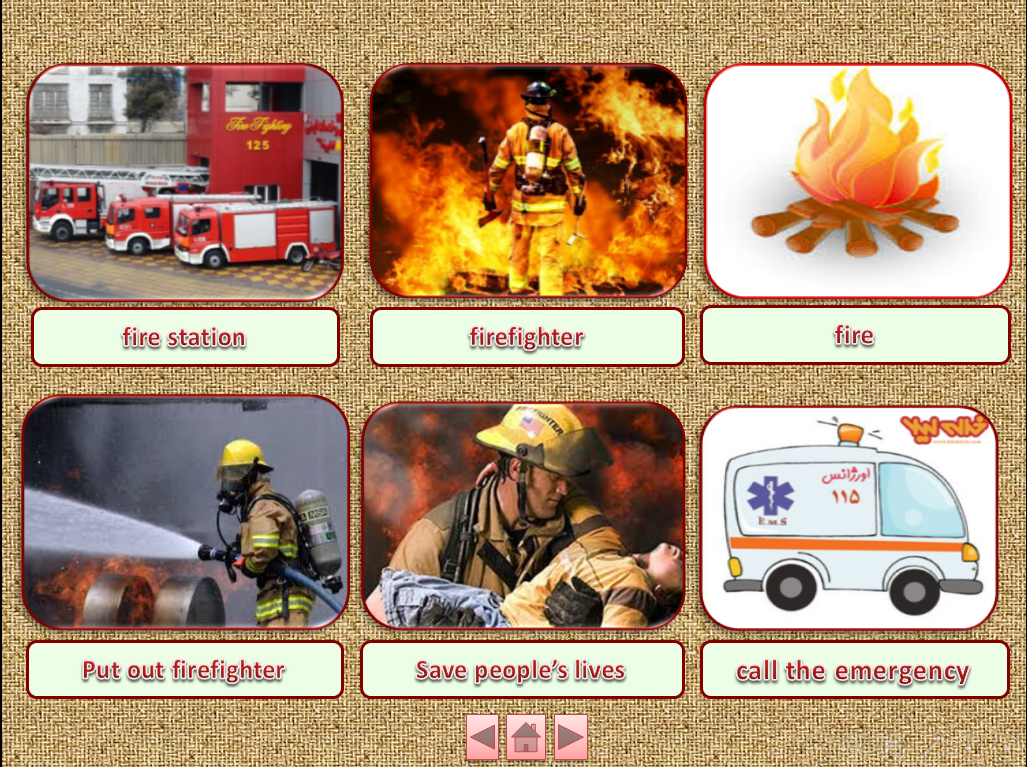


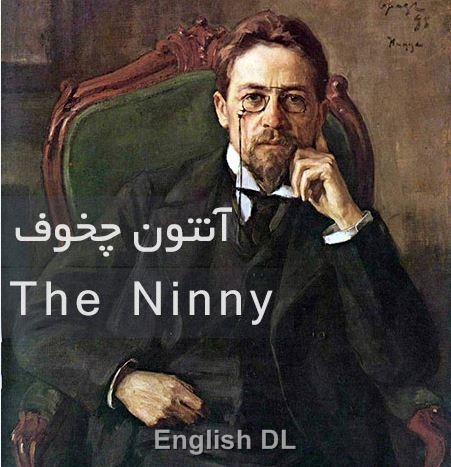













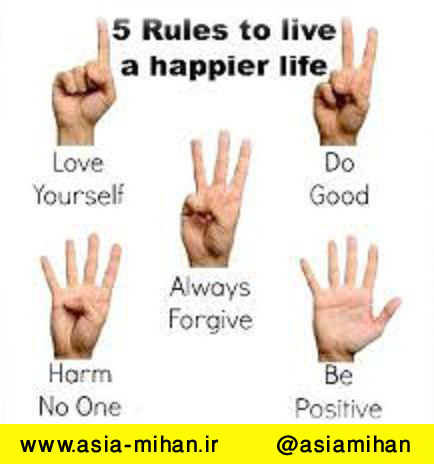







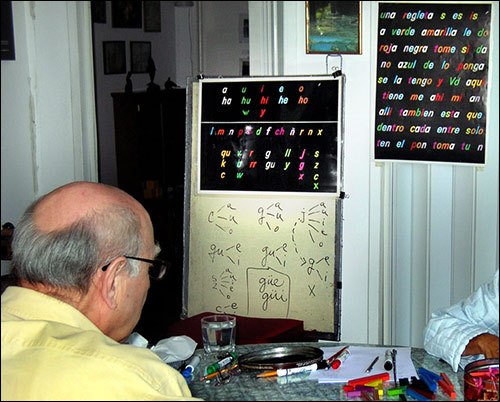
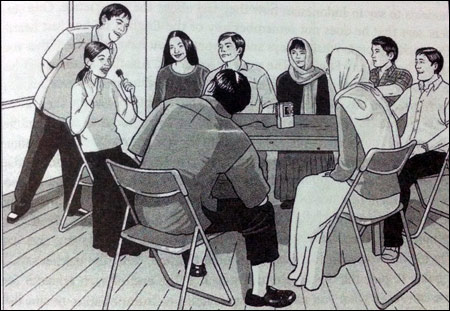
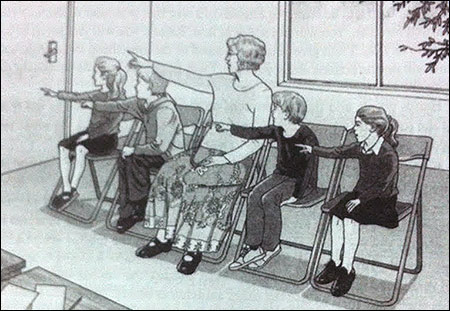
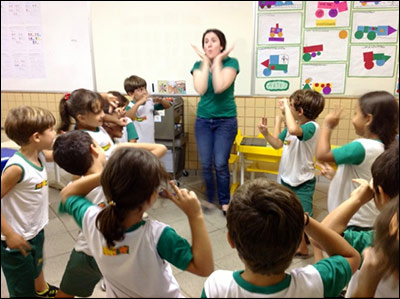

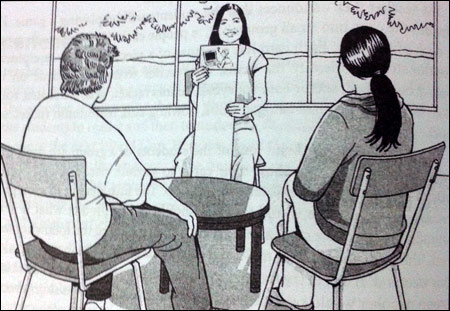


 Choose a topic and learn the vocabulary and grammar point(s) related to it!